Back To Blog
Top 10 Trending Electronics Made in China – 2026 Guide
Trending electronics made in China in 2026 include AI smart glasses, wireless earbuds, smartwatches, GaN chargers, magnetic power banks, smart home devices, robot vacuums, portable power stations, compact projectors, and creator accessories. For importers, distributors, and online retailers, these categories offer different opportunities in product positioning, customization, and repeat sales.
We recommend evaluating each category through three practical questions: Does the product solve a clear customer problem? Can the supplier deliver consistent quality? Will the selling price cover the full cost of importing and supporting it?
This guide presents a sourcing shortlist rather than a statistical ranking of the world’s best-selling electronics. We focus on product features, buyer suitability, and the checks that matter before placing a wholesale order.
Trending Electronics Made in China: Quick Comparison
| Product category | Features to evaluate | Suitable sales channels | Main sourcing concern |
|---|---|---|---|
| AI smart glasses | Audio, cameras, voice assistance, translation | Technology retailers and specialist distributors | Software reliability and subscriptions |
| Wireless earbuds | Noise cancellation, microphone quality, comfortable fit | Online stores, mobile accessory shops, gift channels | Battery consistency and call performance |
| Smartwatches | Fitness tracking, readable displays, app support | Lifestyle retailers and fitness stores | Sensor accuracy and app stability |
| GaN chargers | USB-C Power Delivery, compact design, multiple ports | Computer shops, travel stores, accessory brands | Sustained output and heat management |
| Magnetic power banks | Wireless alignment, usable capacity, USB-C output | Mobile accessory retailers and online sellers | Charging compatibility and temperature |
| Smart home devices | Automation, ecosystem compatibility, local control | Home improvement stores and installers | Connectivity and ongoing software support |
| Robot vacuums | Navigation, mopping, obstacle handling | Appliance retailers and regional distributors | Spare parts and after-sales service |
| Portable power stations | Usable energy, inverter output, charging options | Outdoor stores and backup-power specialists | Battery quality and shipping costs |
| Compact projectors | Measured brightness, native resolution, connectivity | Entertainment retailers and online stores | Misleading specifications |
| Creator accessories | Wireless audio, lighting, stabilization | Camera shops and creator-focused brands | Device compatibility and durability |
1. AI Smart Glasses
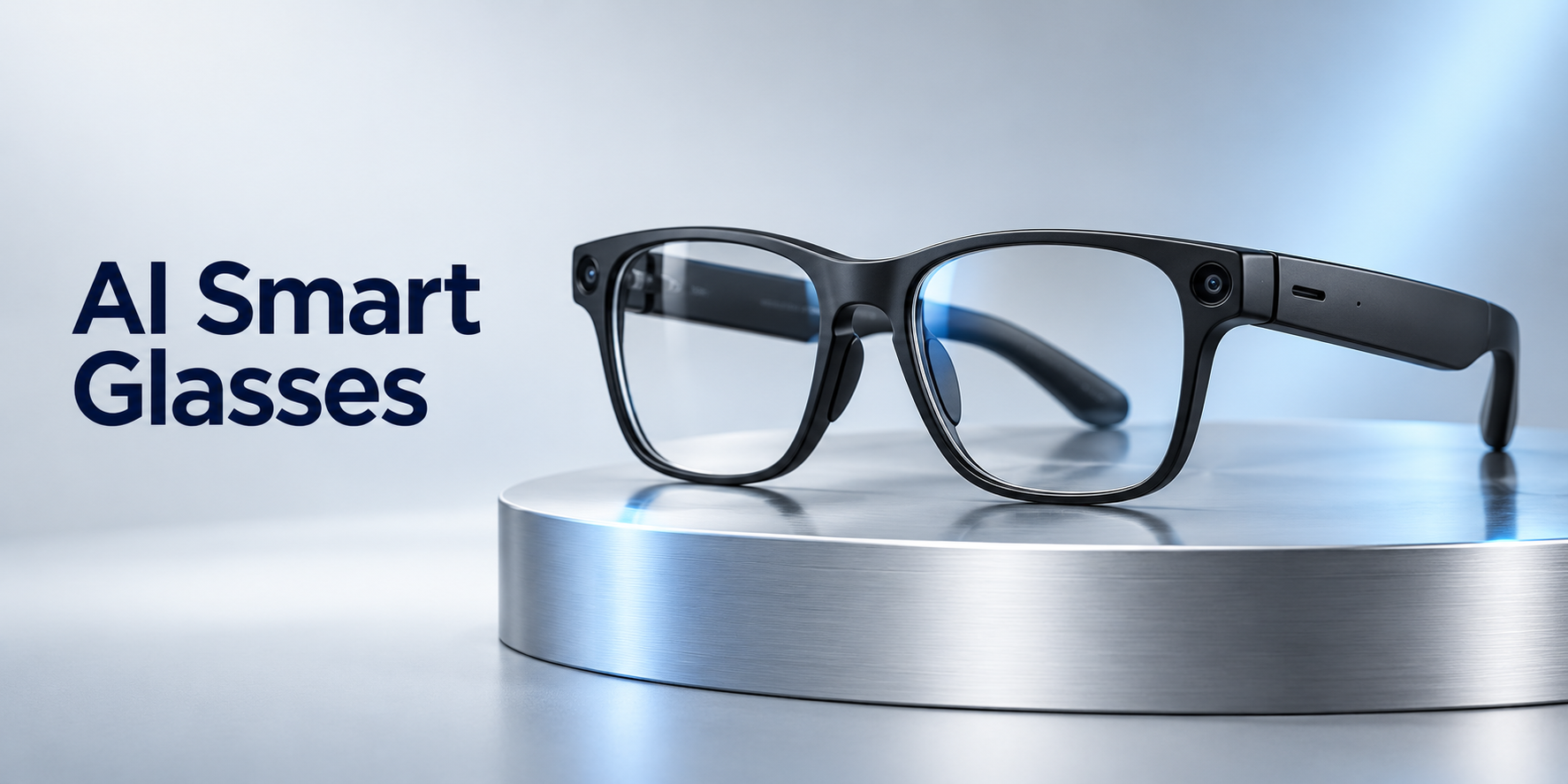
AI smart glasses are a notable electronics category to watch in 2026. Products range from camera-free audio glasses to camera-equipped models offering voice assistance and app-based functions.
IDC’s second-quarter 2026 market commentary reports continued smart glasses growth while showing that forecasts can change as the market develops. We therefore treat the category as an emerging opportunity requiring careful product selection.
For sourcing, we should distinguish between functions that run on the glasses, functions handled by a connected phone, and functions requiring a paid cloud service. A product advertised as offering “AI translation” may depend on internet access, specific languages, or a subscription.
Before ordering, we recommend testing:
- Microphone clarity in busy environments.
- Audio leakage and listening comfort.
- Battery life during realistic use.
- App availability in the target market.
- Subscription costs and account requirements.
- Recording indicators on camera-equipped models.
Comfort and dependable software should carry more weight than a long feature list.
2. Wireless Earbuds and Open-Ear Headphones
Wireless earbuds remain a relevant category for electronics retailers because buyers can differentiate products by fit, sound, microphone performance, and intended use. IDC identifies hearables as the largest wearable device category in its market overview.
We recommend comparing true wireless earbuds, open-ear models, and sports-focused designs separately. Each serves a different customer need. Open-ear products prioritize awareness of surroundings, while sealed earbuds can provide stronger passive isolation.
For wholesale purchasing, sample testing should cover both music playback and phone calls. A product that sounds acceptable indoors may perform poorly during outdoor conversations.
We should also confirm battery performance across multiple units, charging-case reliability, connection stability, and replacement procedures. For private-label orders, the charging case, packaging, instructions, and warranty experience all influence perceived quality.
3. Smartwatches and Fitness Wearables
Smartwatches made in China offer options for lifestyle brands, fitness retailers, and promotional product distributors. However, the category requires clear positioning because inexpensive fitness watches and advanced connected watches deliver very different experiences.
Useful specifications include screen visibility outdoors, notification reliability, strap comfort, charging convenience, and compatibility with the intended phone operating systems.
We recommend verifying whether functions such as location tracking rely on built-in GPS or a connected smartphone. Battery-life claims should also specify whether continuous monitoring, frequent notifications, or an always-on display are enabled.
For fitness-focused products, we should assess the quality of the companion app and the clarity of its data presentation. Health-related measurements should be described according to the product’s substantiated capabilities; wellness features should not be presented as medical diagnoses.
4. GaN Fast Chargers and USB-C Charging Accessories
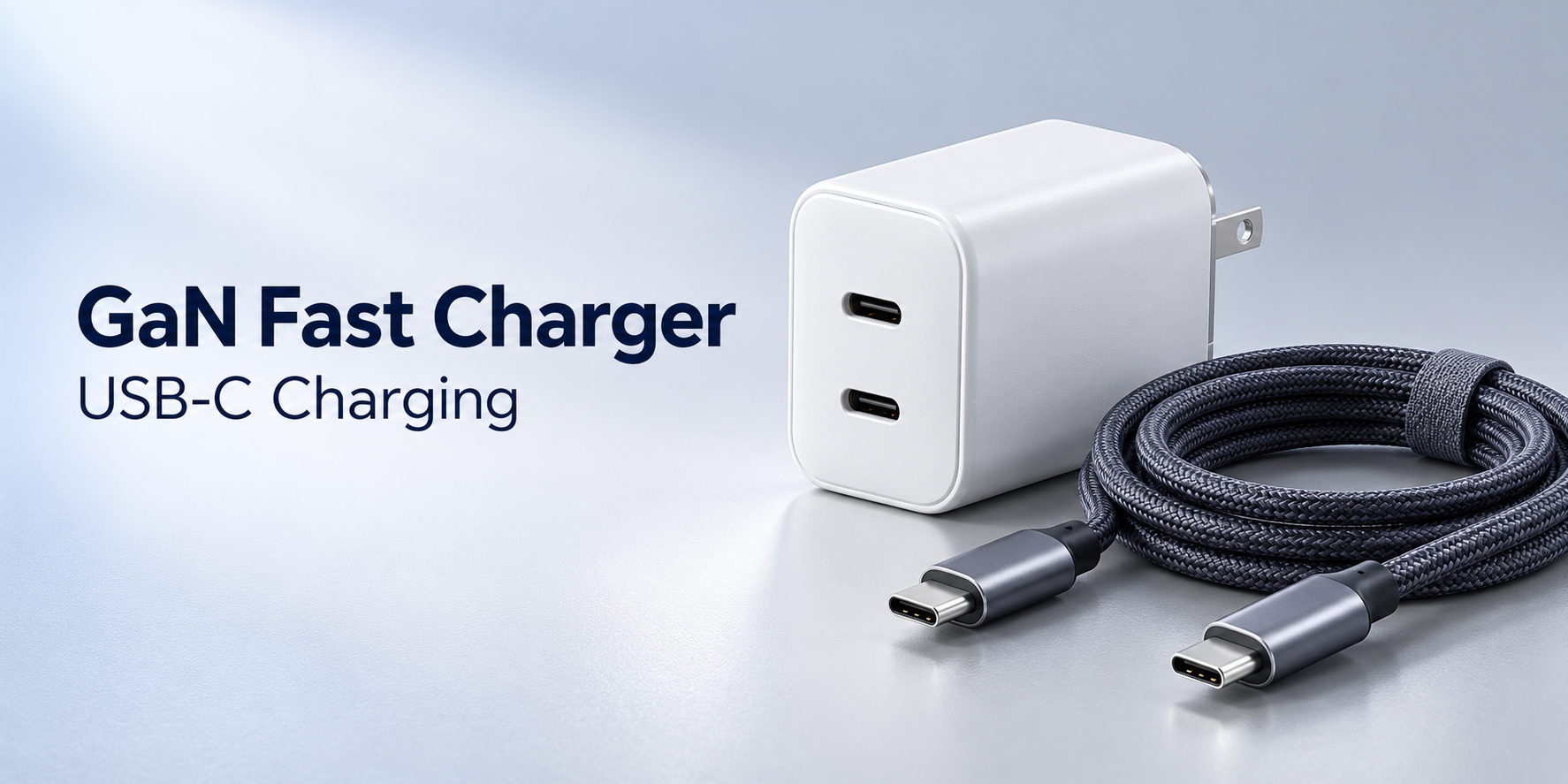
GaN chargers are worth evaluating for travel, office, and mobile accessory ranges. The commercial appeal lies in combining useful charging performance with a compact design.
We recommend comparing actual output behavior rather than selecting products by the largest wattage printed on the packaging. A multiport charger may redistribute power when additional devices connect, changing the charging speed available from each port.
For example, a charger advertised with a high total output may deliver considerably less to a laptop when a phone and tablet are connected simultaneously.
USB-C describes the connector; it does not establish every charging capability. USB-IF provides Power Delivery compliance information and states requirements for using its certified charger logos. Certification claims should be checked against the relevant product listing.
We should request the port-by-port power allocation, supported charging profiles, included cable specifications, and sustained-load test results.
5. Magnetic Wireless Power Banks
Magnetic power banks combine portable charging with convenient phone attachment. Possible product variations include folding stands, compact travel designs, and models offering both wireless and wired charging.
The main sourcing challenge is distinguishing advertised battery capacity from usable charging performance. Energy is lost during voltage conversion, and wireless charging introduces additional losses.
We recommend testing charging speed and temperature with the actual phones and cases that customers are likely to use. Magnetic attachment alone does not prove certified compatibility with a particular wireless charging standard.
A practical inspection should include:
- Magnetic alignment and attachment strength.
- Wired and wireless charging behavior.
- Heat during extended charging.
- Accuracy of the battery indicator.
- Simultaneous input and output, where advertised.
For this category, honest specifications can be a stronger selling point than exaggerated capacity claims.
6. Smart Home Devices
Smart plugs, lighting controls, sensors, and connected switches can support a coherent home automation range. We recommend building around a defined ecosystem rather than combining unrelated devices with different apps.
Matter is an interoperability standard intended to simplify compatibility across supported smart home products and platforms. However, we should verify the exact model’s certification and supported functions instead of relying on a general supplier statement.
Supplier evaluation should cover setup, reconnection after power failures, firmware updates, and behavior when internet access is unavailable. Some devices require a hub or Thread border router, which should be clearly explained before purchase.
For distributors, clear installation instructions and responsive technical support can make the range easier to sell and maintain.
7. Robot Vacuum Cleaners and Mop Systems
Robot vacuums offer opportunities for appliance retailers that can support customers after purchase. We recommend evaluating them as complete cleaning systems, including the robot, dock, app, and consumables.
Headline suction figures provide only part of the picture. Navigation, brush design, floor contact, obstacle handling, and cleaning patterns affect practical results.
Sample testing should include hard floors, rugs, furniture legs, thresholds, and common household debris. For models with mopping docks, we should inspect dirty-water handling, cleaning access, odors, and routine maintenance.
Before importing, confirm availability and pricing for filters, brushes, mop pads, batteries, and other service parts. A lower purchase price may become expensive if replacement parts are difficult to obtain.
8. Portable Power Stations
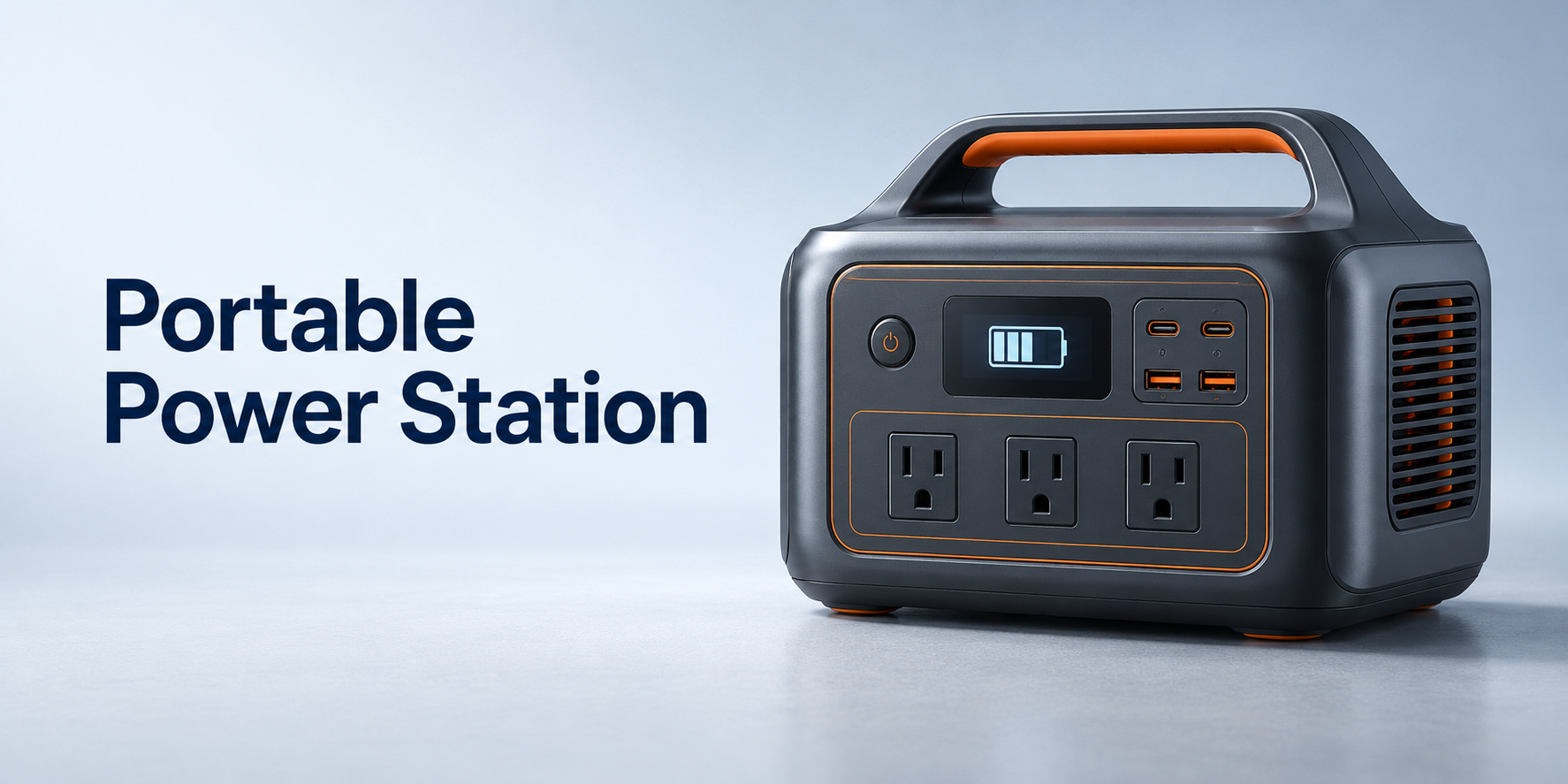
Portable power stations made in China deserve consideration for outdoor recreation, mobile work, and selected backup-power applications. Product selection should start with the appliances customers intend to power.
We need to distinguish watt-hours, which describe stored energy, from watts, which describe power output. A unit may have enough stored energy for a task but lack sufficient inverter output to start the intended appliance.
We recommend checking usable AC energy, continuous output, surge capability, charging time, operating temperature limits, and solar input compatibility.
Shipping dimensions and weight also matter. Before approving an order, we should calculate the full delivered cost and establish a realistic repair or replacement process. Large battery products require more operational preparation than ordinary phone accessories.
9. Compact Projectors
Compact projectors can serve bedroom entertainment, portable presentation, and recreational viewing markets. Their suitability depends on viewing conditions and performance.
Native resolution, measured brightness, focus uniformity, fan noise, and input compatibility should guide product comparison. A projector that accepts a 4K signal does not necessarily have a native 4K imaging system.
We recommend requesting the brightness measurement method and testing samples in realistic rooms. Daylight performance should never be inferred from edited promotional photographs.
Software needs equal attention. Buyers should verify authorized streaming support where advertised and check whether updates remain available. Picture quality alone will not prevent returns if customers cannot access the services they expect.
10. Creator Electronics and Mobile Recording Accessories
Wireless microphones, compact video lights, phone gimbals, and recording kits provide opportunities for stores serving video creators, trainers, and small businesses.
We recommend selecting products around a specific recording task. A straightforward two-person microphone kit may be more useful to an interview creator than a larger bundle with unnecessary accessories.
Wireless microphone samples should be tested for clipping, interference, connection dropouts, and performance at realistic distances. Video lights should be assessed for flicker, brightness consistency, color adjustment, and mount strength.
Compatibility should be explicit. Phone connectors, camera inputs, operating systems, and recording apps can affect functionality. Clear compatibility information helps buyers choose the right product before placing an order.
How We Evaluate Electronics Suppliers in China
A promising category becomes a viable business only when product quality and supply arrangements are dependable. We recommend comparing suppliers using the same written specification.
Confirm the Exact Product Configuration
The quotation should identify the model, components or agreed performance specifications, accessories, firmware, packaging, and warranty terms. We should also define how the supplier will obtain approval before making material substitutions.
Approve Samples Before Production
Samples should represent the configuration intended for the order. We recommend recording test results and retaining an approved reference unit so production inspection has a clear comparison point.
Verify Documentation for the Destination Market
Documentation should correspond to the exact model and intended destination. We should establish applicable requirements before purchasing and obtain suitable professional review where needed.
Calculate the Full Landed Cost
The comparison should include the product price, customization, inspection, freight, applicable import charges, storage, marketplace fees, and expected after-sales costs.
The lowest factory quotation does not automatically produce the strongest margin.
Frequently Asked Questions About Electronics Made in China
Which electronics categories should new importers evaluate first?
We recommend starting with a narrow range that matches an existing customer base. Product complexity, battery handling, technical support, and return costs should influence the choice alongside expected demand.
Can we customize electronics with our own brand?
Many suppliers offer private-label packaging and logo application. Deeper changes to hardware, firmware, or apps require separate discussion because they can affect minimum order quantities, development costs, testing, and lead times.
Does a Chinese brand guarantee that a product is manufactured in China?
No. Brand ownership and manufacturing origin are different facts. We should verify the production location and origin information for the specific model being purchased.
How should we choose between an established product and an emerging trend?
We recommend balancing customer demand with operational readiness. Emerging products such as AI glasses require close scrutiny of software and service dependencies, while established categories still require differentiation and consistent quality.
What should we confirm before placing a bulk electronics order?
We should approve the specification, test representative samples, verify relevant documentation, agree on inspection criteria, and establish warranty responsibilities. These steps provide a stronger basis for purchasing than supplier photographs or promotional claims alone.