Back To Blog
Find China Products: Electronics Gadgets & Home Essentials
Finding China products for your home starts with matching useful electronics, gadgets, and everyday essentials to a specific need—not simply choosing the lowest price.
This article explains what to look for, how to compare sellers, and which compatibility, safety, and ownership details deserve attention. Use it to build a practical shortlist, whether you are improving a workspace, organizing a kitchen, or exploring connected home accessories.
How do you find China products that are worth buying?
To find worthwhile China products, define the job you need done, identify your nonnegotiable requirements, and compare exact models rather than attractive listing photos. Treat product origin as one detail in the decision, not as proof of quality or value.
Your buying standard should be the same wherever something is made: clear specifications, suitable construction, credible safety information, and support you can actually use.
Start with a problem you can describe in one sentence. Perhaps your desk needs fewer loose cables, your cupboard wastes vertical space, or your current headphones make calls difficult. A clear problem makes it easier to reject products whose main attraction is novelty.
Before browsing, write down these five details:
Purpose: Name the task the product must perform and how often you expect to use it.
Fit: Record relevant dimensions, device models, available ports, and installation restrictions.
Must-have features: Separate essential functions from extras you would rarely touch.
Ownership expectations: Decide whether you need replacement parts, software support, or straightforward repairs.
Total budget: Leave room for delivery, necessary accessories, and other applicable charges.
For example, “a compact hub for connecting my laptop to one monitor and a keyboard” is more useful than “a powerful laptop accessory.” It gives you concrete questions to ask before paying.
The best China gadgets for your household are the ones that earn their place through repeated use. A modest accessory that solves an everyday annoyance deserves more attention than an impressive feature list with no clear role in your routine.
Electronics from China: practical categories to explore
When comparing electronics from China, organize your search around the experience you want to improve. For every candidate, ask what evidence would demonstrate a good fit. The following categories provide a starting point without assuming that any particular listing, brand, or model is a recommendation.
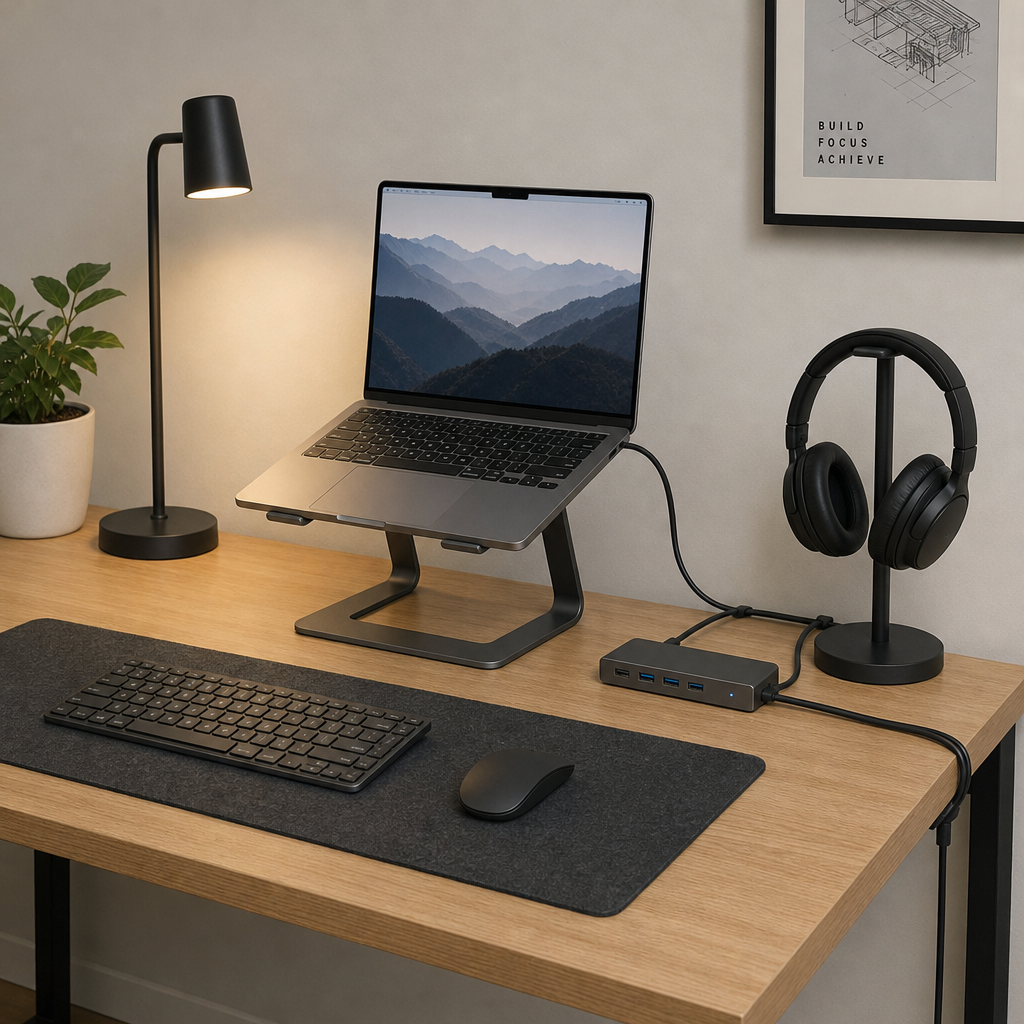
Charging accessories and desk connectivity
For charging accessories, begin with the requirements published by your device manufacturer. Then compare the proposed charger, cable, and any hub as a complete setup. Do not let a familiar connector substitute for checking the actual specifications.
USB-C describes a connector system, not a guarantee of identical charging, data, or video capabilities. USB-IF explains that USB-C products can support different protocols and performance levels, and that USB-C is not interchangeable with USB Power Delivery, USB4, or USB 3.2. Check each required capability explicitly.
For a desk setup, request a clear port diagram and an explanation of how the product behaves when several ports are occupied. Ask whether the package includes the cables and power supply needed for your intended arrangement. If a seller cannot explain how the advertised configuration works, keep looking.
Also consider placement. Measure the distance between your outlet, laptop, and monitor so your purchase does not create awkward cable tension or block access to another port.
Audio accessories for work and leisure
Evaluate headphones, earbuds, and speakers against your main listening situation. Your priorities for calls in a shared room may differ from those for music at a desk or listening while walking. Write down that situation before comparing features.
For calls, look for demonstrations that let you judge microphone clarity in conditions resembling yours. For everyday listening, consider physical controls, comfort, charging arrangements, and how you would store the device. Ask about replacement ear tips or cushions if those parts matter to you.
Avoid treating a premium-sounding feature name as an answer. Instead, turn it into a test: Can you hear speech clearly? Can you operate the controls without opening an app? Can you wear the product comfortably for your intended session? Those questions keep the comparison grounded.
Keyboards, mice, stands, and workspace tools
For workspace accessories, prioritize physical fit and familiar workflows. Check keyboard layout, mouse dimensions, stand adjustment, and the space each item will occupy. A product should suit the way you work rather than require you to reorganize everything around it.
Before choosing a keyboard or mouse, confirm how it connects to your particular computer and whether any desired customization requires additional software. Ask which operating systems support those features. For a stand, compare the listed load limit and supported device dimensions with your equipment.
Try making a paper outline of an accessory’s footprint before ordering. Place it on your desk and imagine reaching around it during a normal workday. This simple exercise can help you decide whether the proposed arrangement feels sensible before you commit.
Portable gadgets and travel accessories
For portable Chinese tech gadgets, judge the complete carrying setup rather than the device alone. Include its charger, protective case, adapters, and any accessories required for normal use. Decide where everything will fit in your everyday bag.
Consider a compact light, travel organizer, or portable stand only if you can explain when you would reach for it. Ask whether setup is quick enough for that situation and whether the controls are easy to understand. For battery-powered equipment, read the manufacturer’s charging and storage instructions before buying.
If the product is intended for a trip, check the current carrier and destination requirements that apply to that exact item. Build that verification into your planning instead of assuming a listing’s “travel friendly” description settles the question.
Home essentials that deserve a place on your shortlist
Approach home essentials with the same discipline as electronics: begin with a task, measure the available space, and think through cleaning and maintenance. Decide whether your priority is easier storage, simpler preparation, or less daily tidying. Then evaluate products against that goal rather than against a styled room photo.
Kitchen storage and preparation tools
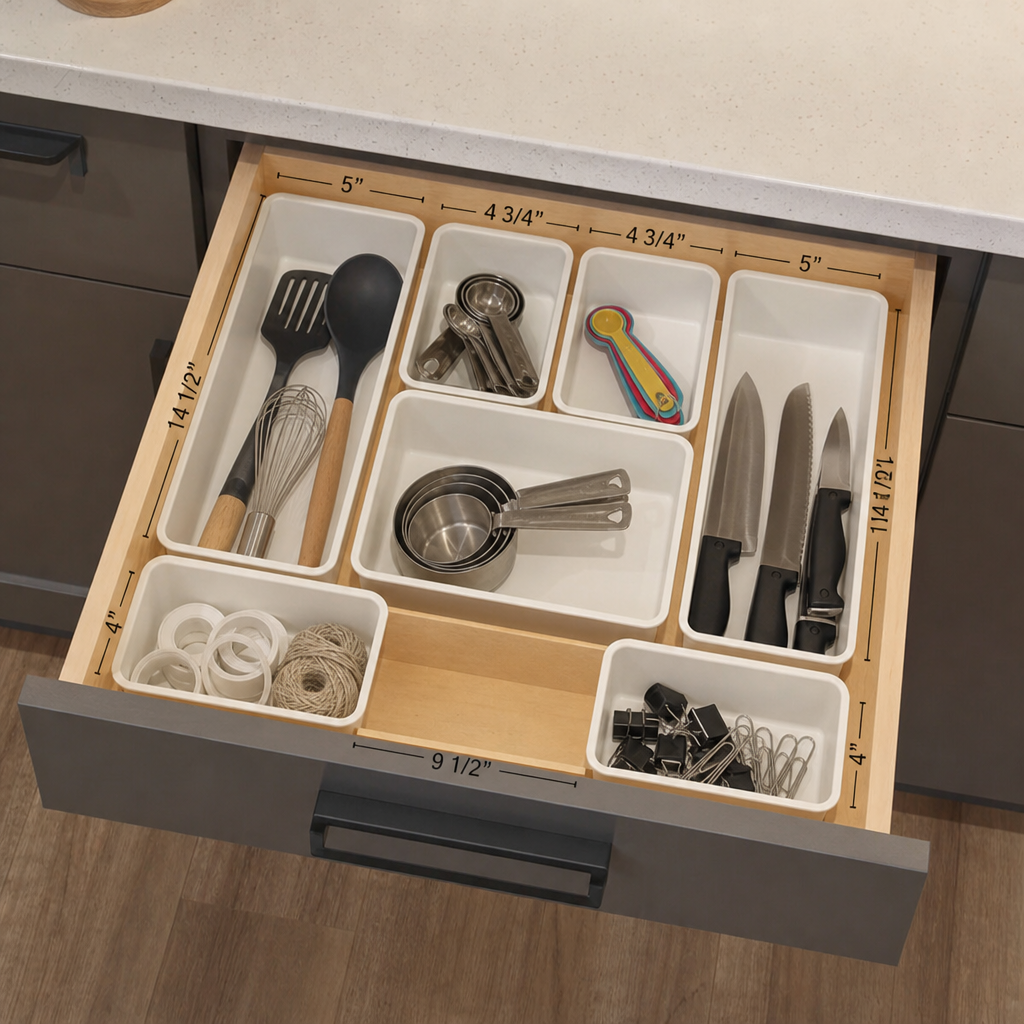
For kitchen organizers, record the usable internal dimensions of the cupboard or drawer. Include anything that interrupts the space, such as hinges, pipes, or a closing mechanism. Compare those measurements with the product’s external dimensions, not just its advertised capacity.
For preparation tools and containers, request clear material information and instructions for the intended use. Check whether the manufacturer describes appropriate temperatures, cleaning methods, and any restrictions. Avoid guessing what broad terms such as “premium material” mean.
Use this shortlist when assessing a kitchen item:
Access: Can you reach the contents without moving several other things first?
Cleaning: Can you remove the parts you need to wash, and are the instructions practical?
Storage: Where will the item go when it is not in use?
Quantity: Does the package contain the sizes you need, rather than mostly unsuitable pieces?
Replacement: Can you obtain another lid, seal, or attachment if necessary?
For a cupboard makeover, consider starting with one organizer. Test the arrangement with your existing dishes or ingredients before buying enough to fill the entire space.
Cleaning tools and compact appliances
When comparing cleaning tools, describe the surface and the mess first. A purchase intended for crumbs around a desk needs a different evaluation from one intended for regular floor cleaning. Ask the seller to clarify the product’s intended applications and limitations.
For powered equipment, read the maintenance instructions before focusing on convenience claims. Identify every part you would need to empty, wash, dry, or replace. Ask whether replacement filters, brushes, or collection containers are available for the exact model.
Imagine completing the full routine: retrieving the appliance, setting it up, cleaning, emptying it, and putting it away. If that sequence seems more cumbersome than your existing method, reconsider the purchase. The aim is a manageable household habit, not another device waiting for attention.
Lighting, organization, and everyday comfort
For lamps and small lighting accessories, start with the activity and locati0n. Decide whether you need task lighting at a desk, gentle illumination beside a bed, or a light inside a storage area. Then check the controls, mounting method, dimensions, and power requirements against that setting.
For organizers, choose a locati0n before choosing a shape. Measure the shelf, wall area, or drawer and think about what must remain accessible. If installation requires adhesive or hardware, read the surface requirements and installation instructions rather than assuming the product will suit your room.
Where energy efficiency is part of the decision, look for evidence tied to the exact model. The EPA’s ENERGY STAR Product Finder provides listings for certified products across eligible categories, including lighting, appliances, and home office equipment. Use it to verify relevant claims instead of relying only on promotional language.
Where should you buy China-made electronics and home essentials?
Choose a purchasing route by comparing the seller’s identity, delivery arrangements, product documentation, and return process—not merely the storefront’s appearance. For your shortlist, examine manufacturer stores, established retailers, and marketplace sellers using the same questions. Prefer the option that makes responsibility for the transaction easiest to understand.
Compare the actual purchasing arrangements
For each candidate, write down who takes payment, who ships the item, and who handles a problem after delivery. If those roles are unclear, ask before ordering. Save the response alongside the listing details so you can refer to what was promised.
Then compare the support you expect to need. For a simple storage tray, your main concern may be dimensions and returns. For an app-controlled appliance, you may also want a manual, software information, troubleshooting resources, and a way to contact the manufacturer.
Treat these as purchasing requirements rather than optional conveniences. If a seller cannot provide information essential to your decision, there is no need to rush past the gap simply because another listing looks similar.
Distinguish origin from fulfillment
Ask separate questions about where a product was made, where it will ship from, and where a return must go. Record the answers rather than inferring them from a brand name or website language. This gives you a clearer basis for comparing offers.
For a deadline-sensitive purchase, confirm the delivery estimate for the selected variant and your address. For anything you might return, request the actual return destination and procedure. If the arrangement feels impractical, consider a different seller even when the initial price is higher.
Read listings like a careful buyer
A useful product comparison starts with an exact model and a defined package. Build your notes around what you will receive, not everything shown across a listing’s images. Whenever a description leaves room for interpretation, turn the uncertainty into a specific question for the seller.
Confirm the model, variant, and included parts
Record the model identifier, selected size or capacity, color, plug option, and package contents. Check that your basket reflects those selections before paying. If you are comparing two offers, make sure both include the components needed for your intended use.
For example, ask whether a pictured power supply is included or merely shown as an accessory. For a storage system, check whether the displayed arrangement represents one package or several. For a connected device, ask whether a separate controller is needed for the features you want.
Keep unresolved details visible in your comparison notes. Do not quietly convert “probably included” into “included.” A shortlist becomes more useful when it makes uncertainty obvious.
Use reviews to investigate specific concerns
The FTC recommends reading reviews critically, checking several sources, and not relying on star ratings alone because reviews and ratings can be fake or misleading. Use feedback to investigate a particular concern rather than treating popularity as a complete assessment.
For your own review notes, create columns for the issue described, the model discussed, and whether the reviewer explains the circumstances. Look for information relevant to your planned use, such as assembly, controls, fit, or maintenance. Follow up with the seller when an important question remains unanswered.
Do not let either a glowing comment or an angry complaint make the whole decision for you. Compare the detail available with your requirements and with the manufacturer’s documentation. If the evidence remains too thin, leaving the product on the shortlist is better than forcing a conclusion.
Put safety checks ahead of bargain hunting
Before ordering electrical equipment, ask for readable product-label information and documentation appropriate to your country and intended use. Compare the exact model on the label with the model being sold. If you cannot establish what the product is or how it should be used, choose another option.
If a seller claims UL certification, UL Solutions provides Product iQ for checking certification information. Its records can include products or components, so inspect what the result actually covers rather than assuming every matching entry verifies the complete item in your basket.
For U.S. purchases, include a search of the CPSC’s recalls and product safety warnings before ordering and again if a concern arises after delivery. Use the brand and exact model information when checking. Follow the instructions in any applicable notice rather than relying on a seller’s reassurance.
Be particularly deliberate about battery and charger compatibility. Health Canada warns that lithium-ion batteries can present overheating, fire, and explosion risks, and advises buying replacement batteries from trusted sellers because unsuitable aftermarket batteries may not meet safety standards or match the device.
Make these checks part of your buying routine:
Obtain the manual before purchase when safe operation depends on setup or maintenance.
Check the required electrical input and the supplied power equipment against manufacturer instructions.
Ask for clarification when a certification claim cannot be tied to the selected model.
Keep product identification and purchase records accessible after delivery.
Decline purchases when essential safety questions remain unresolved.
Apply this standard consistently. A product should not receive a lower level of scrutiny simply because it is inexpensive or intended for occasional use.
Smart gadgets need a software and privacy check
For connected products, investigate the service behind the hardware before deciding whether the features suit your home. NIST’s consumer guidance recommends making informed choices about smart devices, considering privacy, and keeping software updated. Its researchers also highlight that people may not know whether their devices are receiving updates.
Use that guidance to create a short purchasing questionnaire:
What app, account, or controller is required for the functions I want?
Which functions remain available without an internet connection?
Where does the manufacturer publish security and software support information?
What permissions and data access does setup request?
Are any desired functions tied to an ongoing subscription?
How do I remove my account and reset the product before passing it on?
Read the documentation yourself where possible, and ask for clarification when the answer is unclear. Judge the purchase against your comfort level, not against how effortless a demonstration appears.
Also ask whether connectivity is necessary for your goal. If you only want convenient bedside lighting, compare a straightforward physical control with the connected alternative. If you want scheduled operation, verify that exact function and the setup required to use it.
Avoid assuming that “smart” automatically means lower energy use. ENERGY STAR describes energy-management approaches such as schedules, occupancy-based controls, and usage-based suggestions; assess whether the proposed product supports a relevant action in your own routine.
Choose the simplest arrangement that meets your needs and that you feel comfortable maintaining.
Compare the complete cost of ownership
Set up a comparison that includes the item, delivery, required accessories, and any foreseeable ongoing expenses. For imported purchases, check the applicable charges before ordering rather than assuming the checkout headline tells the whole story. CBP explains that import duties and other fees can depend on the goods and the entry arrangements.
Do not use an old duty estimate or a remembered exemption as your purchasing assumption. Consult current official guidance for your shipment and ask the seller or carrier which charges are included. Keep any estimate clearly labeled as an estimate until the relevant amounts are confirmed.
Use this worksheet for each serious candidate:
|
Cost or condition |
What to record |
|---|---|
|
Selected item |
Exact model, variant, quantity, and package contents |
|
Delivery |
Shipping charge and the delivery arrangement offered |
|
Import-related charges |
Applicable duties, taxes, clearance charges, and who handles payment |
|
Required extras |
Cables, adapters, controllers, mounting hardware, or other necessities |
|
Ongoing ownership |
Consumables, replacement parts, and any required service fees |
|
Return arrangements |
Deadline, destination, procedure, and possible deductions |
Ask yourself how much inconvenience you are willing to accept for a lower initial cost. That judgment may differ between a basic organizer and equipment you rely on every day. Make the tradeoff deliberately rather than discovering it after a problem.
For returns, the FTC advises checking who pays shipping, how long you have to return the item, and whether restocking fees apply. It also recommends checking the conditions for sale items, which may have different policies. Read those terms before paying, not only when something goes wrong.
A simple buying process from shortlist to delivery
Use a repeatable process so each new purchase does not require starting from scratch. Keep the amount of research proportionate to the product’s cost, complexity, and importance in your household. Spend extra time wherever an unanswered question could make the item unsuitable.
- Write a one-sentence brief. Describe the task and list the requirements you will not compromise on. Include dimensions or device details where relevant.
- Choose a small comparison set. Select a few plausible products rather than saving every attractive listing. Remove candidates that clearly miss a requirement.
- Fill in the missing information. Ask focused questions about compatibility, contents, maintenance, and support. Keep the answers with your notes.
- Complete the checks. Review relevant safety information, ownership costs, delivery expectations, and return arrangements before committing.
- Save the transaction details. Keep the listing, selected variant, order confirmation, and important seller messages together.
- Inspect the delivery before normal use. Compare the received model and contents with your order, then follow the manufacturer’s setup instructions.
Plan the first-use check before the package arrives. For an organizer, that might mean checking the fit before filling it. For an accessory, it might mean testing the intended connection using the documented setup.
If something is wrong, record the issue clearly and contact the seller through the agreed process. Describe what you ordered, what arrived, and the resolution you are requesting. Keep the conversation factual and preserve the correspondence.
Build a useful first shopping basket
For an initial purchase, choose a small project rather than a collection of unrelated gadgets. Give yourself a clear way to judge success. This makes the first order an opportunity to assess both the product and your buying process.
Consider one of these approaches:
- A tidier workspace: Measure your desk, identify one cable-management problem, and choose an accessory that addresses that specific issue.
- A more usable cupboard: Select one shelf or drawer, record its dimensions, and test a limited organizer arrangement before expanding it.
- An easier evening routine: Define the lighting or storage task, then compare simple controls and practical placement before adding connectivity.
Set a spending limit for the project and resist adding unrelated items merely to enlarge the order. You can always revisit the rest after seeing how the first purchase performs.
Once you have used the item, note what you would repeat and what you would change. Was the specification clear? Did the product fit the intended space? Were setup and maintenance reasonable for you? Use those observations to sharpen your next shortlist instead of treating every new purchase as a fresh guess.
Choose usefulness over novelty
To find China products that genuinely improve daily life, start with the job, verify the details, and compare the full ownership experience. Explore electronics gadgets and home essentials with the same practical standard: a clear purpose, a suitable fit, understandable instructions, and support arrangements you accept.
Begin with one everyday frustration and choose the simplest well-documented solution you can confidently evaluate. Buy thoughtfully, test it in your routine, and expand only when the first purchase has earned your trust.
Frequently Asked Questions About Finding Electronics & Home Essentials from China
What should I consider when purchasing electronics from China?
When purchasing electronics, consider factors like compatibility with your existing devices, safety certifications, warranty and support options, product reviews, and the seller's return policy.
Are products from China reliable?
Reliability can vary by brand and product. It's important to research individual products, read reviews from other buyers, and look for reputable sellers to ensure quality.
How can I ensure the safety of electronic gadgets I buy from China?
Check for safety certifications relevant to your region, such as CE, FCC, or UL labels. Always read the product specifications and user manuals, and ensure that you understand the electrical requirements.
What are the best platforms for purchasing Chinese electronics and home essentials?
Some popular platforms include Alibaba, AliExpress, Gearbest, and Banggood. These sites often provide buyer protection and user reviews to help you make informed decisions.
How can I avoid hidden costs when buying from China?
Carefully review the total cost at checkout, including shipping fees and any potential import duties or taxes. Research and compare different shipping options to find the most cost-effective solution.