Back To Blog
The Best Cleaning Appliances of 2026: Robot Vacuums, Air Purifiers & More
Last Update:
2026/10/22Smart Home Trend
Remember when "smart home cleaning" meant a robot vacuum bumping into chair legs for an hour before getting stuck under the couch? That era is officially over.
In 2026, cleaning appliances have quietly become the most genuinely useful category in the smart home — vacuums that see obstacles before they hit them, air purifiers that scrub a room's air in under a minute, and mops that wash their own pads so you never have to touch the dirty part.
But here's the catch: as the technology has improved, the marketing has gotten louder. Every brand promises revolutionary suction, AI-powered navigation, and lab-grade filtration — and with prices ranging from $300 to $1,400, picking the wrong machine is an expensive mistake.
That's where we come in. We've sifted through this year's lab-tested results, editor's picks, and thousands of hours of independent testing to separate the game-changers from the gimmicks. Whether you're battling pet hair, wildfire smoke, or just the daily chaos of a busy household, this guide covers the best cleaning appliances of 2026 — and exactly who each one is right for.
Robot Vacuums: The New Centerpiece of Home Cleaning
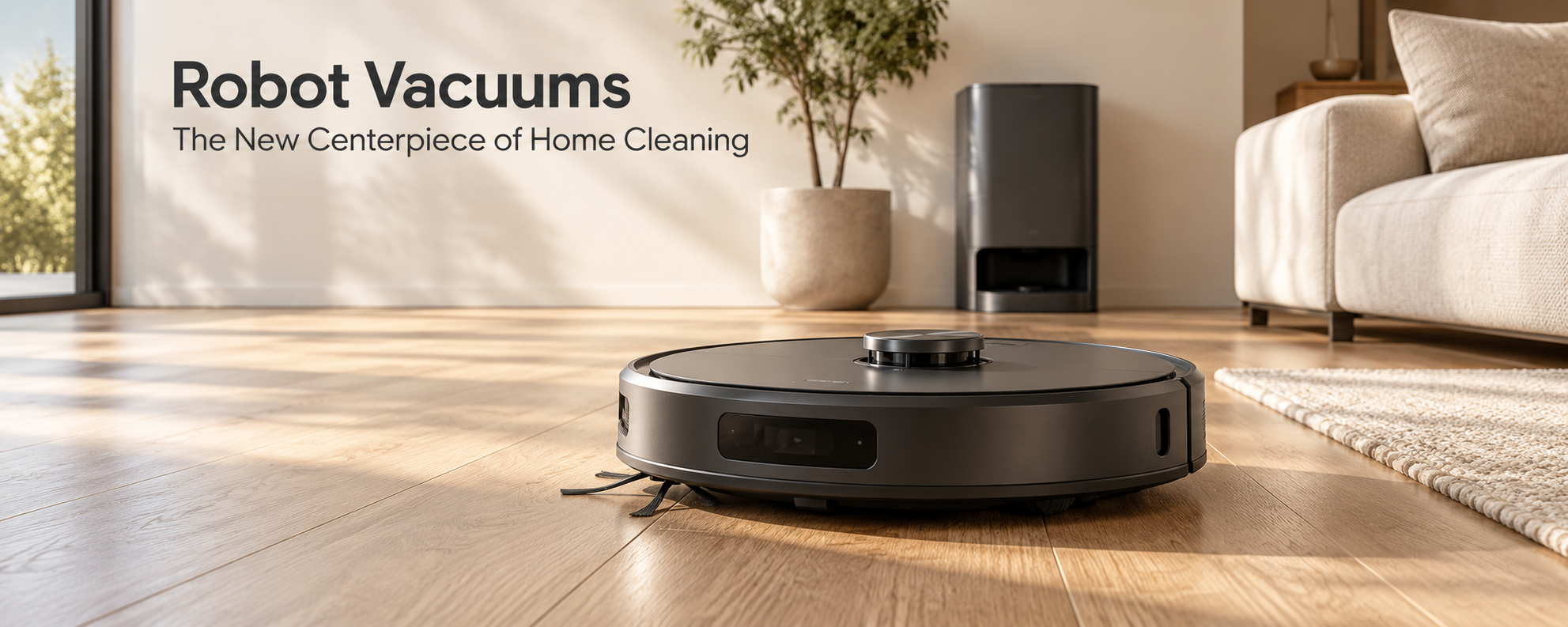
If you buy one cleaning appliance in 2026, make it a robot vacuum. The category has matured dramatically, and the best models now handle vacuuming, mopping, self-emptying, and even washing their own pads with minimal input from you.
Best overall: iRobot Roomba Combo 10 Max (~$1,400) The Roomba Combo 10 Max earned a 9.0 overall rating and CNET's Lab Test Award for best pickup performance, averaging 67.04% sand pickup across all floor types — the highest of any robot vacuum tested this year.
Remarkably, it's also the first vacuum in the lab's testing history to dodge all six obstacles in its hazard gauntlet. The self-cleaning base station empties the bin, refills the water tank, and washes and dries the mop pad automatically. One caveat: it's not the best choice for heavy shedders, as pet hair performance underwhelmed.
Best for carpeted homes: Mova V50 Ultra Complete (~$1,100) For homes dominated by carpet, the Mova V50 Ultra is the standout, posting the best midpile carpet pickup CNET has ever recorded at 47.54% and winning the Lab Test Award for carpet pickup. It also offers excellent value — roughly $300 less than the Roomba — though its obstacle avoidance is middling (3 of 6 objects avoided).
Best all-rounder for busy households: Shark PowerDetect ThermaCharged (~$1,200) This model matched the Roomba's perfect 6/6 obstacle avoidance while also handling pet hair well — a rare combination. It picked up 91.97% of sand on hardwood and its self-sanitizing base station washes mop pads with hot water. The trade-offs: it's loud, and its app is noticeably less customizable than competitors'.
Best budget pick: iRobot Roomba 205 DustCompactor Combo (~$470) For apartments and smaller homes, this compact combo vacuum-mop ties for the best hardwood cleaning score (99.27%) at a fraction of flagship prices. The catch: no self-emptying or auto-refill — you'll empty it manually.
Cordless Stick Vacuums: Still Essential for Deep Cleaning
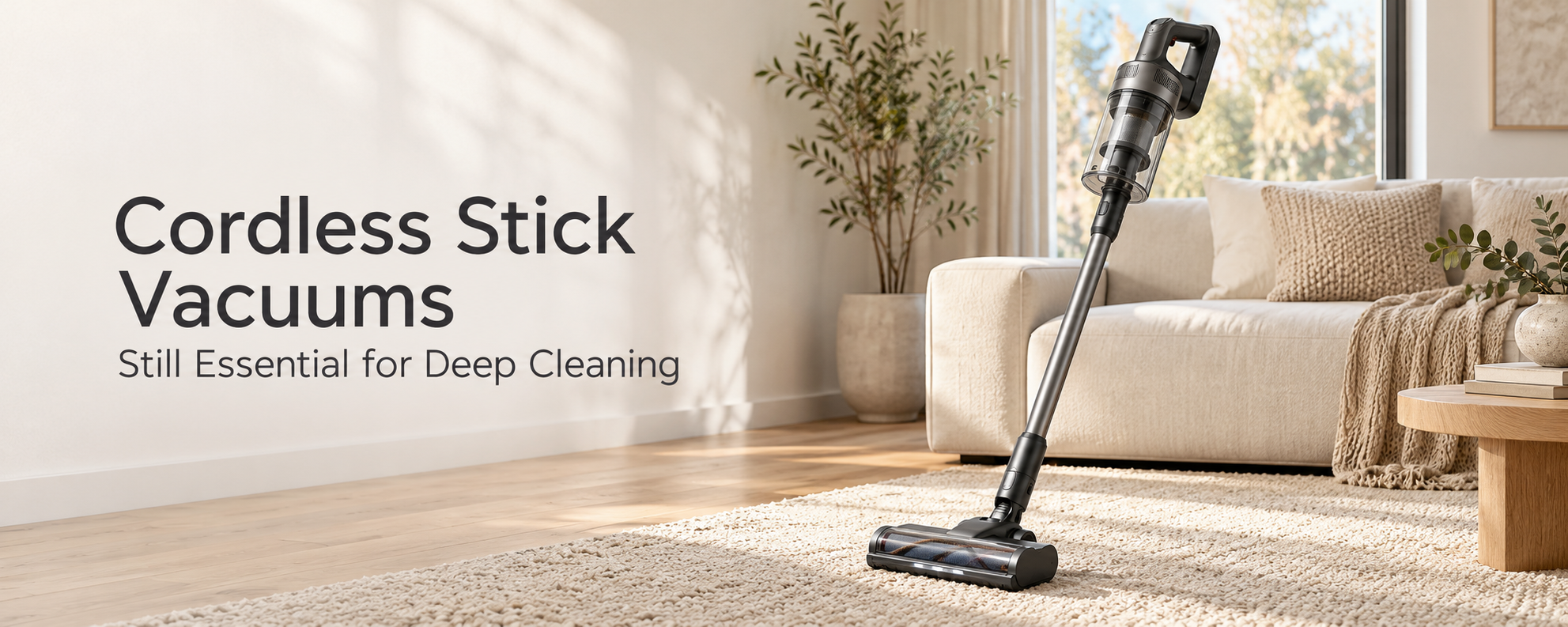
Robot vacuums handle maintenance; cordless sticks handle the deep cleans, stairs, and car interiors.
Best overall: Dyson V15 Detect (~$650) Even with newer flagships on the market, the V15 Detect still tops Vacuum Wars' independently tested leaderboard with a 4.55-star rating. Its class-leading sealed suction and the Fluffy Optic head's green laser — which makes invisible dust visible on hard floors — remain unmatched, and its price has dropped from $850 to around $650.
Best flagship: Dyson V16 Piston Animal Submarine (~$900) Dyson's 2026 flagship adds the Submarine 2.0 wet-cleaning head, letting it vacuum and mop hard floors in one pass. It matched the standard V16 in vacuuming while outperforming Dyson's dedicated floor cleaners on dried-on stains. If you want one cordless machine to do everything, this is it.
Best value: Shark Stratos (~$475) The Stratos earned Vacuum Wars' 2025 awards for both Best Cordless Vacuum for Hard Floors and Best for Carpets — a rare double win. Its DuoClean dual-roller head, anti-hair-wrap rollers, odor neutralizer, and MultiFlex wand deliver flagship-class performance at roughly half the price of Dyson's top models.
Air Purifiers: Breathe Easier in Minutes
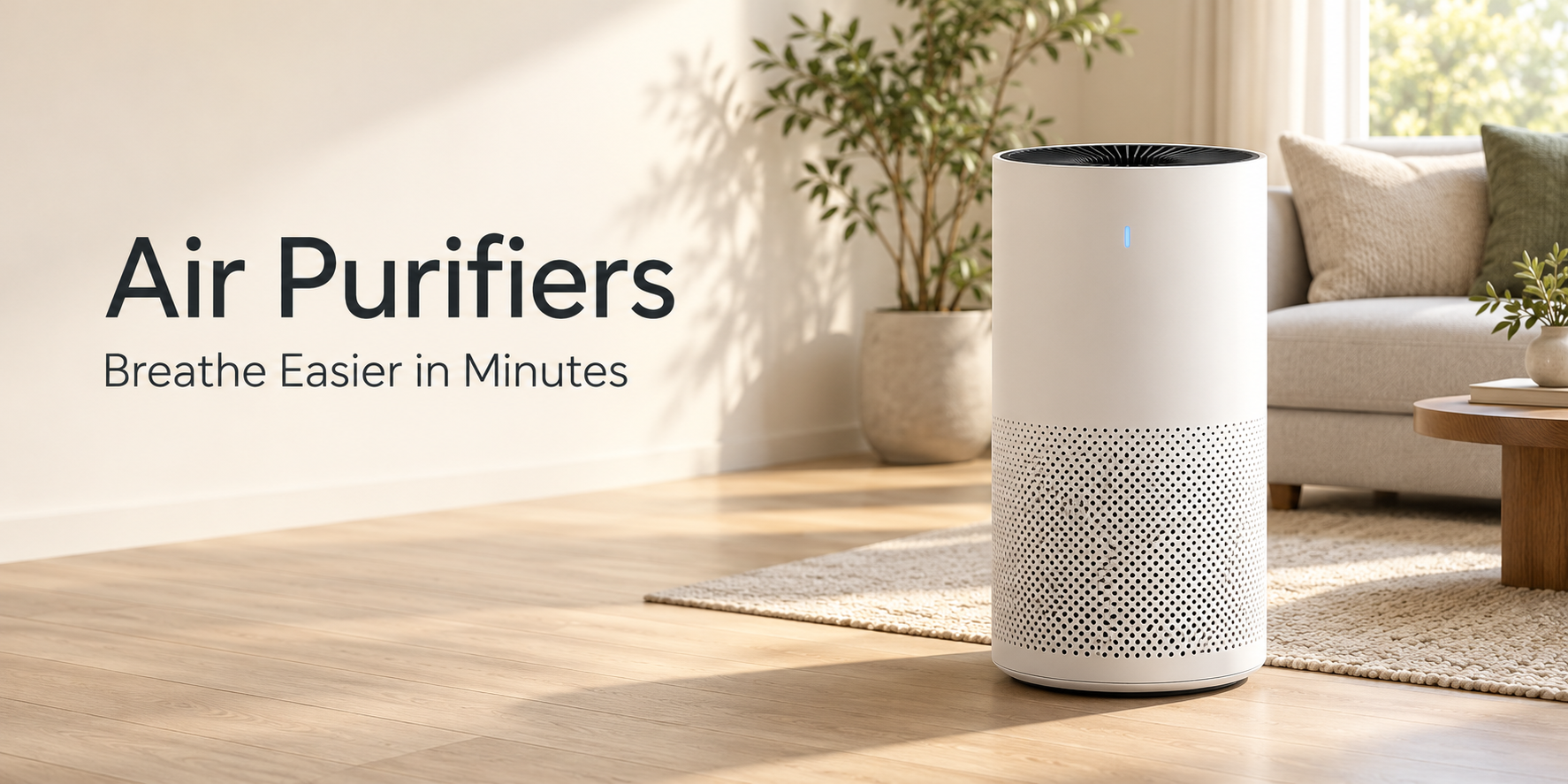
With wildfire seasons lengthening and allergy counts rising, air purifiers have gone from nice-to-have to essential. This year's lab results show a clear gap between the leaders and the marketing hype.
Best overall: Coway Airmega 450 CNET's 2026 Editors' Choice cleared test particles in an average of just 1 minute 14 seconds across fan settings — the best overall result in its testing. It covers large rooms and open floor plans, delivers among the highest clean air delivery rates on the market (439–450 CFM), and its HEPA filter only needs annual replacement.
Best for wildfire smoke: Coway Airmega 400S (~$749) When set to high, this large-capacity unit cleared fine particles in just 39 seconds — the fastest result in both the 2025 and 2026 test cycles. With a four-layer filtration system capturing particles down to 0.1 microns and coverage up to 3,120 square feet, it's built for smoke season.
Best for bedrooms: Dyson HushJet (~$300) True to its name, the HushJet measured just 35.95 dBA on medium — roughly a whisper — and won CNET's Lab Award for quietest and most energy-efficient purifier, drawing only about 6.42 kWh per month. It's ideal for nurseries and bedrooms, though fine-particle clearing on low fan is slow.
The Supporting Cast: Worth Considering
-
Wet-dry floor cleaners: The category keeps improving — look for models with self-cleaning roller systems if mopping is a pain point, but note that flagship robot vacuums increasingly absorb this job.
-
Dishwashers: The quiet revolution is complete — most 2026 models from Bosch, Miele, and KitchenAid now run below 44 decibels, quieter than a library.
-
Washing machines: Heat-pump dryers and combo washer-dryer heat pumps are finally mainstream in North America, cutting energy use roughly in half versus vented models.
-
Steam mops and carpet cleaners: Still the go-to for sanitizing hard floors and rescuing rugs, especially with pets and kids.
How to Choose The Right Cleaning Appliances
The pattern across 2026's winners is consistency: the best appliances combine strong raw performance with genuine autonomy. Before buying, ask three questions:
- What's your floor mix? Carpet-heavy homes need different robots and vacuums than hard-floor homes.
- How much hands-off do you want? A self-cleaning base station costs more upfront but saves hours annually.
- What's your tolerance for noise? The loudest machines in every category hit 60+ dBA — a real factor for open-plan living and nap schedules.
Whichever category you're shopping in, 2026 is a genuinely good year to buy: prices on last year's flagship tech have dropped, and this year's models are the smartest and most self-sufficient yet.
Conclusion About Best Cleaning Appliances of 2026
The cleaning appliances of 2026 share a common theme: autonomy without compromise. Robot vacuums now clean, mop, and maintain themselves. Air purifiers clear a room in under two minutes. Stick vacuums see dust you can't. The result is that "doing the cleaning" increasingly means setting it up once and letting the machine handle the rest.
The smart buying strategy this year is simple: identify your home's biggest pain point, buy the best-reviewed appliance in that category, and don't overpay for features you won't use. Carpet-heavy home? The Mova V50 Ultra. Allergies and wildfire smoke?
The Coway Airmega 450. Want one machine that does it all hands-free? The Roomba Combo 10 Max. And if you're budget-conscious, 2026 is a great year for it — last year's flagships are deeply discounted, and they're still excellent.
Clean home, less effort, better air: that's the promise of 2026's cleaning tech, and for once, the products mostly deliver on it.
Frequently Asked Questions: Best Cleaning Appliances of 2026
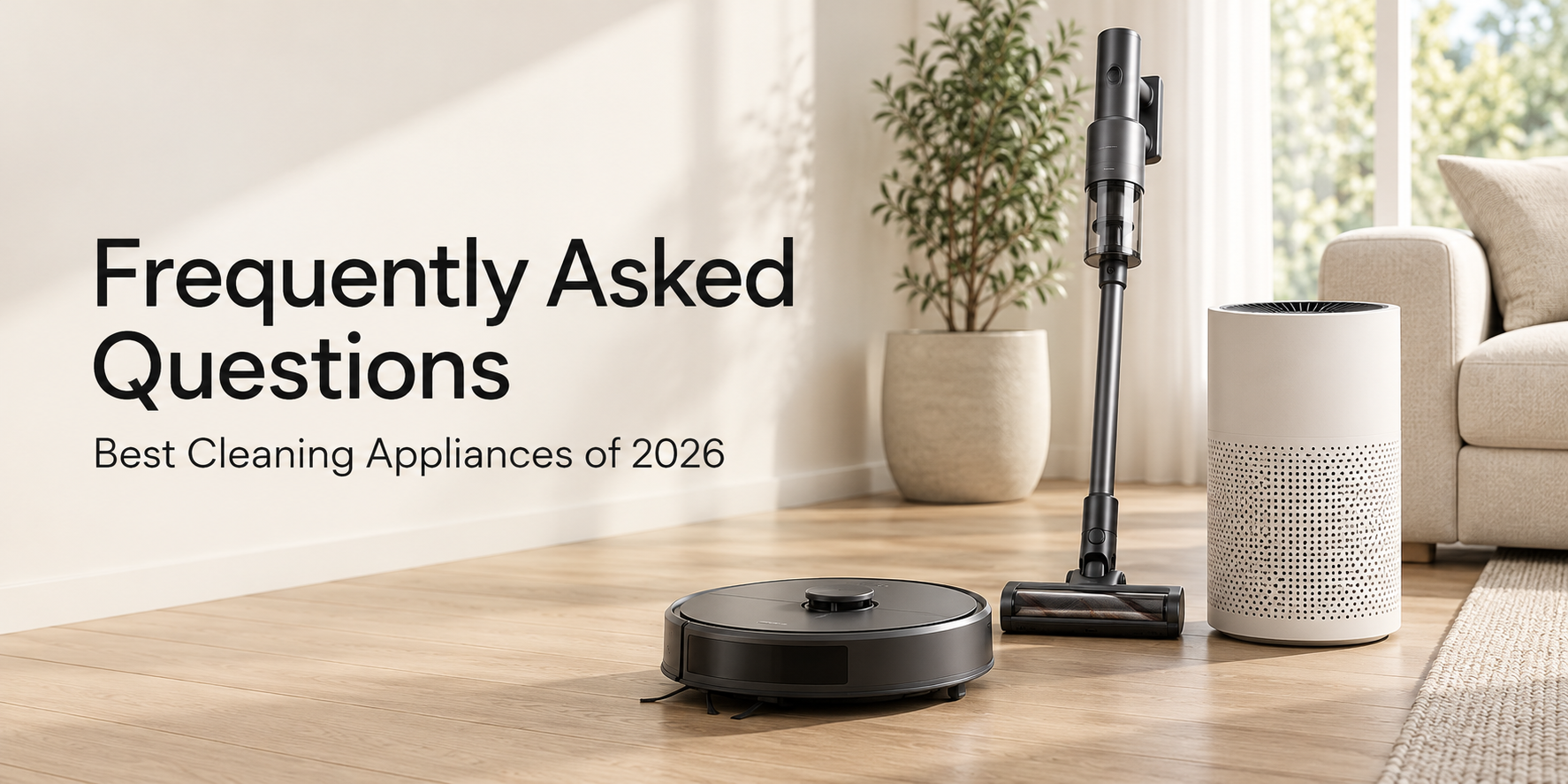
1. Are robot vacuums worth it in 2026, or is a stick vacuum still enough?
It depends on your home and habits. Robot vacuums have matured enormously — models like the Roomba Combo 10 Max now handle vacuuming, mopping, self-emptying, and even washing their own mop pads with almost no input from you.
If you want daily maintenance cleaning with zero effort, a robot vacuum is genuinely worth the investment. But if you have mostly carpet, stairs, a lot of pet hair buildup, or a tight budget, a cordless stick vacuum like the Dyson V15 Detect still delivers deeper, more deliberate cleaning. Many households in 2026 actually own both: the robot for daily upkeep, the stick for weekly deep cleans.
2. What's the most important spec to look at when buying an air purifier?
Forget marketing claims about "ions" and "plasma." The numbers that actually matter are the CADR (clean air delivery rate) and the time it takes to clear particles from a room. For context, the Coway Airmega 450 cleared test particles in about 1 minute 14 seconds in lab testing, and the 400S did it in 39 seconds on high — that's the kind of performance worth paying for.
Also check filter replacement costs: a purifier that needs $100+ in filters twice a year gets expensive fast. Coway's filters, replaced annually, are among the most economical.
3. Is it worth paying $900+ for a flagship cordless vacuum?
For most people, no — the midrange is where the value is. The Shark Stratos (~$475), for example, won lab awards for both hard floors and carpets while costing roughly half of Dyson's top models.
That said, there are two cases where the flagship premium makes sense: if you want an all-in-one machine (the Dyson V16 Piston Animal Submarine can vacuum and mop hard floors in a single pass), or if sealed suction and maximum pick-up on high-pile carpet matter to you. Otherwise, last year's flagship — like the V15 Detect, now discounted — delivers nearly identical core performance.
4. How do I choose between a robot vacuum and a wet-dry floor cleaner?
Ask yourself one question: how much do I want to be involved? Wet-dry floor cleaners (like the latest dedicated mopping machines) clean better on dried-on stains and let you target specific spots, but you push them yourself.
Robot vacuums with mop-dock systems — like the Shark PowerDetect ThermaCharged, which washes its own pads with hot water — handle mopping autonomously. The catch: dedicated floor cleaners still outperform robots on tough grime. In 2026, the gap is narrowing fast, and for many hard-floor homes, a good robot with a self-cleaning dock makes a separate floor cleaner redundant.
5. Do cleaning appliances from 2026 still work with older smart home setups?
Mostly, yes — but check before you buy. All three Roomba models in this article work with both Amazon Alexa and Google Home, and Shark added Matter support to its latest lineup, meaning wider compatibility across platforms.
The main friction point is the apps: CNET's testing found Shark's app noticeably less customizable than iRobot's, and some features are locked behind subscriptions (iRobot's advanced mapping, for example). If smart-home integration matters to you, iRobot and Coway currently offer the most polished ecosystems.
Here are some related articles you may find interesting:
© 2026 EJET Selection. All rights reserved.