Back To Blog
Most Profitable Items to Import From China in 2026
The most profitable items to import from China in 2026 are products that combine manageable sourcing costs, practical customer value, efficient shipping, and room for differentiation. Home organizers, pet accessories, beauty tools, stationery, phone accessories, and specialized bags deserve particular attention when building a product shortlist.
However, profitability belongs to a specific product and business model—not an entire category. A compact organizer sold as a useful bundle may deliver stronger returns than a fashionable electronic device with expensive advertising, frequent defects, and difficult warranty claims.
We recommend evaluating import opportunities through landed cost, contribution margin, inventory turnover, and repeat purchasing potential. The following guide presents practical product candidates rather than a verified ranking of industry profit margins.
Most Profitable Products to Import From China: Quick Comparison
| Product category | Items worth evaluating | Main profit opportunity | Main cost or quality risk |
|---|---|---|---|
| Home organization | Drawer dividers, storage pouches, cable organizers | Bundles for specific spaces | Bulky packaging |
| Pet accessories | Grooming brushes, travel bowls, waste-bag holders | Coordinated collections and refills | Durability and material quality |
| Beauty accessories | Cosmetic bags, brush holders, heatless curlers | Presentation and private labeling | Inconsistent workmanship |
| Phone accessories | Cases, stands, lanyards, cable clips | Compatibility-focused bundles | Heavy price competition |
| Stationery | Journals, planners, stickers, pencil cases | Original designs and themed sets | Excessive design inventory |
| Bags and travel accessories | Packing cubes, toiletry bags, organizers | Specialized layouts and materials | Zippers and stitching |
| Gift packaging | Gift bags, ribbons, folding boxes | Customization and business reorders | Freight volume |
| Cleaning accessories | Microfiber cloths, detailing brushes | Task-specific kits | Weak performance |
| Hobby supplies | Craft organizers, sewing accessories | Narrow customer niches | Too many slow-moving SKUs |
| Fitness accessories | Resistance bands, straps, gym bags | Focused training bundles | Product failure |
| Seasonal accessories | Holiday decorations, gift pouches | Timely collections | Unsold seasonal stock |
| Small business supplies | Jewelry pouches, display stands, labels | Repeat B2B purchasing | Customization errors |
1. Home Organization Products
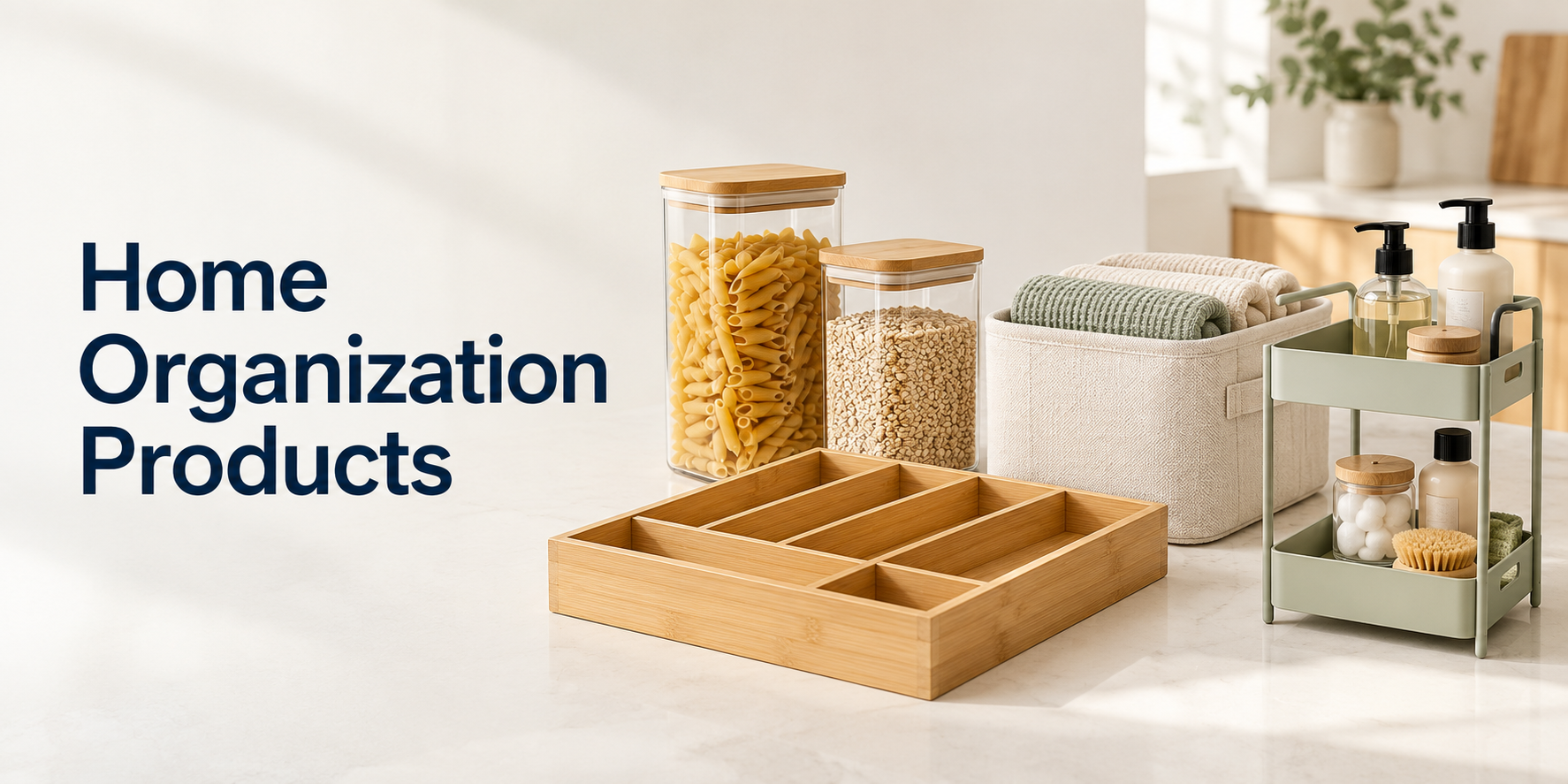
Home organization products provide a practical starting point because customers can understand their purpose immediately. We would prioritize items that solve a precise storage problem rather than generic containers competing mainly on price.
Promising candidates include adjustable drawer dividers, wardrobe organizers, travel storage pouches, cable management sleeves, and compact desktop trays.
The strongest differentiation often comes from dimensions and configuration. A kitchen drawer set with clearly explained measurements is easier to evaluate than an assortment of unrelated plastic trays. Similarly, a cable organization kit can combine clips, sleeves, and reusable ties into one complete solution.
We should compare packed carton volume per sellable unit before ordering. A low factory price can lose its advantage when the product requires expensive storage and transportation.
2. Pet Accessories
Pet accessories offer opportunities for both individual products and coordinated collections. Candidates include grooming brushes, collapsible travel bowls, waste-bag dispensers, washable feeding mats, and pet travel organizers.
We can build a more distinctive offer around a particular activity. A dog-walking kit, for example, could combine a dispenser, refill rolls, and a small accessory pouch.
Quality checks should reflect actual use. We would examine closures, stitching, edge finishing, washability, and resistance to repeated handling. Products intended for chewing or restraint need especially careful evaluation.
Refill compatibility also matters. A dispenser that accepts widely available refill sizes may be easier for customers to keep using, while proprietary dimensions can create unnecessary purchasing friction.
3. Non-Electric Beauty Accessories
Beauty tools and cosmetic storage products can support attractive presentation without requiring the technical support associated with powered devices.
Useful candidates include cosmetic bags, makeup brush organizers, heatless curling sets, travel brush cases, and reusable storage pouches.
We recommend building around one customer need, such as travel makeup organization or compact bathroom storage. Coordinated colors and practical internal compartments can strengthen the offer more effectively than a logo alone.
Before production, we should check zipper movement, lining attachment, odor, color consistency, and cleaning performance. For products touching the skin or hair, material suitability deserves specific attention.
Avoid unsupported promises about health, hair growth, or treatment results. Product descriptions should explain demonstrable features and intended use.
4. Phone Accessories
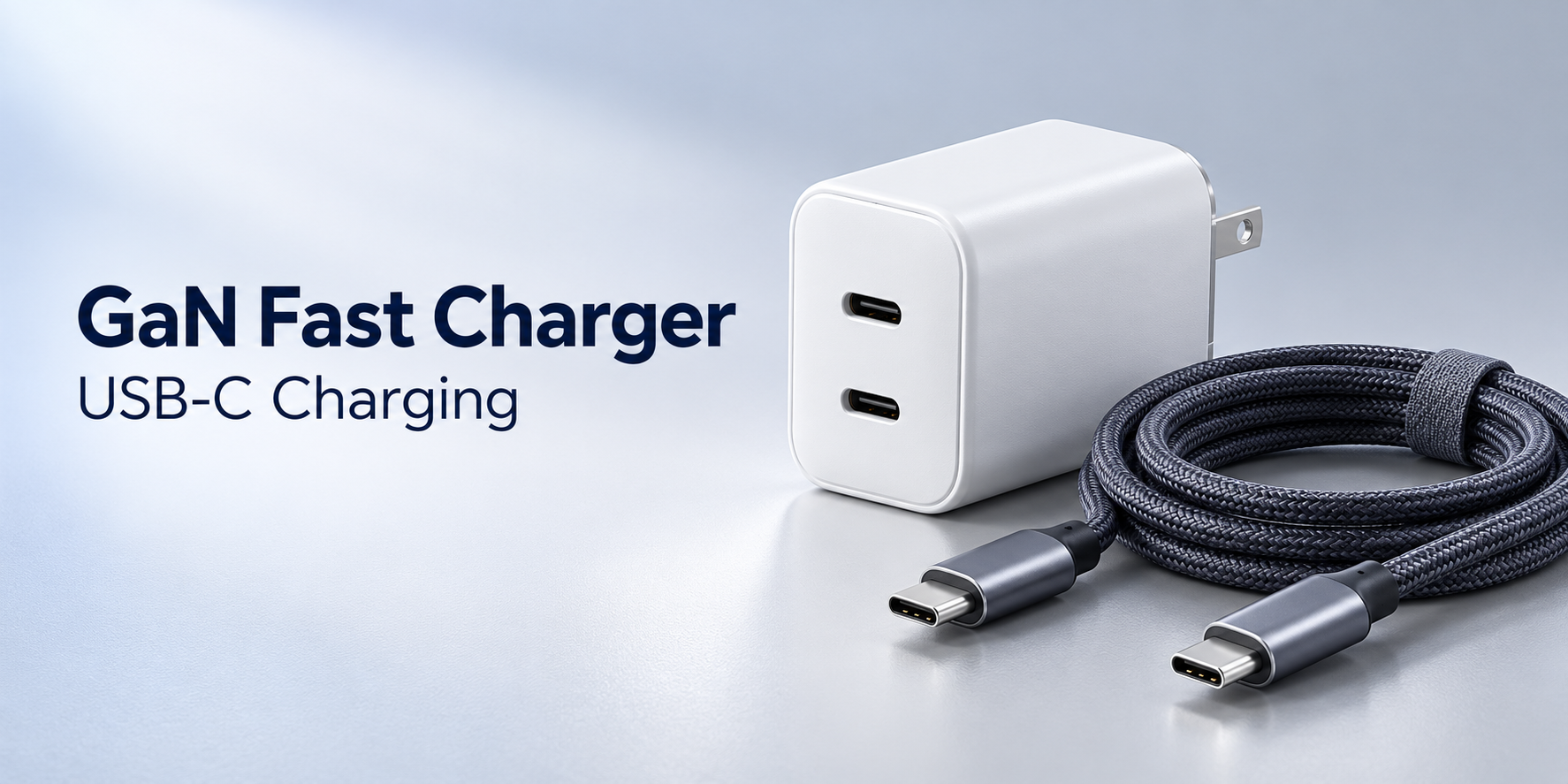
Phone accessories are worth evaluating when we can offer precise compatibility, useful design, or a complete bundle.
Potential items include foldable stands, protective cases, phone lanyards, cable organizers, and travel accessory pouches.
For an initial order, non-powered accessories can simplify the product evaluation process. We still need to verify durability and compatibility, but we avoid some of the technical issues associated with chargers and battery products.
Model-specific cases require disciplined inventory planning. Too many device variations can leave capital tied up in slow-moving stock. We would begin with a limited range supported by evidence from the intended sales channel.
Original patterns, verified dimensions, and clear product photography are more defensible advantages than copying a popular listing.
5. Stationery and Journaling Supplies
Stationery offers considerable scope for original artwork, themed collections, and repeat purchases.
Products worth shortlisting include notebooks, undated planners, sticky notes, pencil cases, sticker sheets, bookmarks, and desk organizers.
We can develop collections for specific customers: university students, office teams, journal enthusiasts, or gift shoppers. A coordinated notebook, pencil case, and sticker set creates a clearer proposition than a miscellaneous stationery bundle.
Quality assessment should include paper thickness, ink show-through, binding strength, page alignment, print accuracy, and adhesive performance.
We should also control the number of designs in the first order. Dividing a modest budget across dozens of patterns can make replenishment difficult and leave unpopular designs in stock.
6. Bags and Travel Organizers
Packing cubes, toiletry bags, electronics organizers, shoe bags, and reusable shopping bags are practical import candidates.
Their value depends heavily on construction. We would specify fabric composition, dimensions, zipper quality, seam finishing, lining, and pocket layout in the purchase agreement.
A specialized electronics organizer can serve customers better than a generic pouch if its compartments accommodate the accessories shown in the listing. Accurate measurements and photographs help customers judge that fit.
Compression and packing efficiency can improve shipping economics, but samples should be checked after unpacking. Materials that remain badly creased or lose their shape may generate complaints.
7. Gift Bags and Packaging Supplies
Gift packaging deserves attention from importers serving retailers, event businesses, and other commercial buyers.
Suitable products include paper gift bags, tissue paper, ribbons, jewelry pouches, flat-packed gift boxes, and seasonal wrapping accessories.
The opportunity lies in coordinated design, reliable replenishment, and customization. A retailer may reorder matching packaging repeatedly if dimensions, colors, and print quality remain consistent.
We should evaluate handle strength, paper weight, print alignment, folding accuracy, and resistance to scuffing. Shipping volume is particularly important: a folding box may be more economical to transport than a comparable rigid box, although the intended presentation must guide the choice.
For custom orders, approve the artwork, placement, colors, and dimensions before production begins.
8. Cleaning and Detailing Accessories
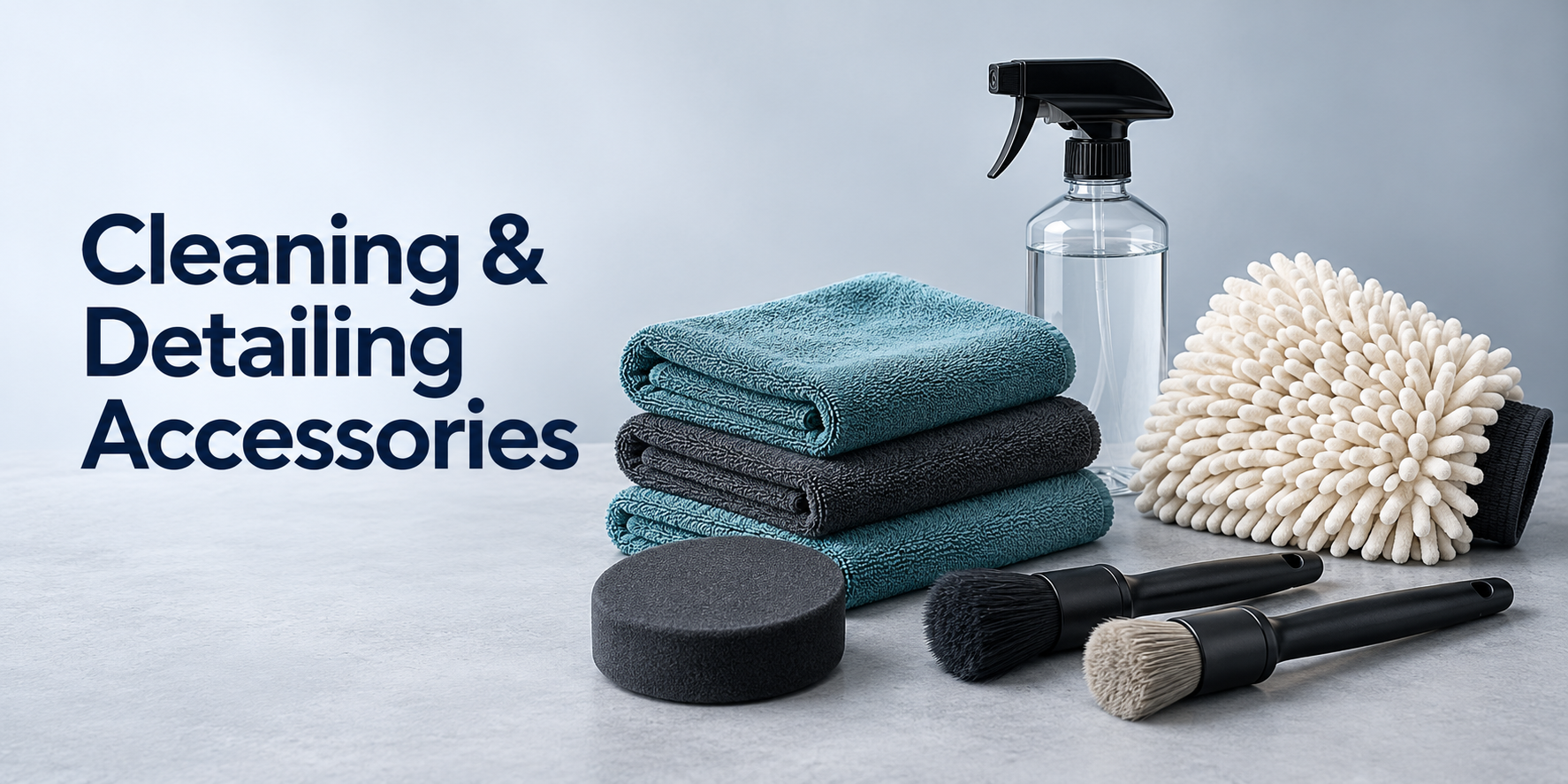
Cleaning accessories can be sold through clear demonstrations of practical performance.
Candidates include microfiber cloths, narrow-gap brushes, reusable lint removers, window-track tools, and automotive detailing brushes.
We recommend organizing these into task-specific kits. A car interior cleaning set or small-space kitchen kit gives the customer a defined use case.
Testing should cover absorbency, lint shedding, bristle retention, handle strength, and potential surface damage. Claims such as “scratch-free” need evidence appropriate to the surfaces and conditions described.
Instructions also matter. A useful product can disappoint when customers apply it to an unsuitable surface or clean it incorrectly.
9. Hobby and Craft Accessories
Hobby products allow us to focus on customers with specific requirements rather than compete across a broad consumer category.
Examples include sewing organizers, embroidery storage bags, paintbrush cases, bead containers, and craft tool pouches.
The main advantage is specialization. An organizer designed around actual tool dimensions can offer value that a generic storage box cannot.
We should study customer reviews and speak with potential buyers before finalizing the design. Complaints about compartment sizes, weak hinges, or missing labels can reveal practical improvement opportunities.
Inventory complexity requires restraint. A narrow collection with clear compatibility is easier to manage than hundreds of small variations.
10. Fitness Accessories
Resistance bands, stretching straps, gym bags, and equipment organizers can support focused product collections.
We should treat performance specifications as purchasing requirements. Resistance levels, dimensions, stitching strength, and repeated-use durability need verification.
A low-cost product that fails during normal use can create returns, reputational damage, and potential injury. Supplier descriptions alone are insufficient for products that carry tension or support weight.
Differentiation can come from storage, comfort, clear instructions, and suitability for a particular routine. We should avoid unsupported rehabilitation or medical claims.
11. Seasonal Decorations and Accessories
Seasonal products can generate concentrated sales, but their profitability depends on timing and conservative inventory planning.
Candidates include holiday gift pouches, table decorations, reusable ornaments, and seasonal packaging.
We need to work backward from the intended selling period, allowing time for sample approval, manufacturing, inspection, transport, and delivery to the sales channel.
Late inventory can become discounted inventory. For that reason, we would prefer an initial range with a small number of designs and some products that remain useful beyond one holiday.
12. Small Business Packaging and Display Supplies
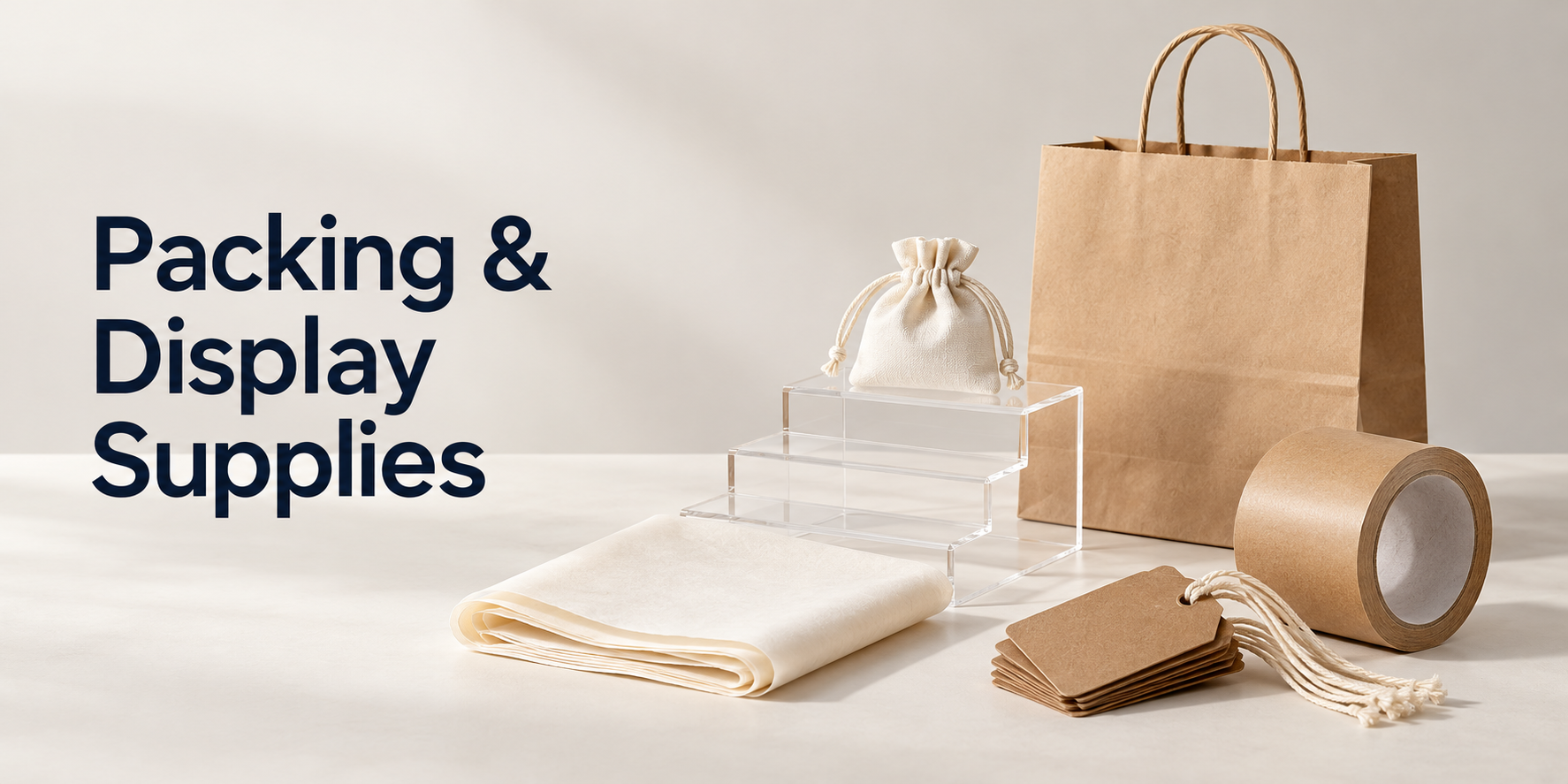
Commercial buyers may value consistent supply more than frequent design changes.
Products worth evaluating include jewelry display stands, product pouches, garment bags, reusable display trays, and branded packaging accessories.
We can create a stronger offer through accurate specifications, reliable customization, and straightforward reordering.
The key purchasing question is whether the customer regularly consumes or replaces the item. Repeat demand can reduce the need to acquire an entirely new customer for every sale.
How to Calculate Profit Before Importing From China
A factory quotation does not establish profitability.
Landed cost includes the product price, freight, insurance, tariffs, taxes, and other relevant charges needed to bring goods to their destination. We should calculate it using the actual destination and shipment arrangement. trade.gov
We then need to deduct selling expenses.
Illustrative Unit Economics
The following figures are hypothetical planning assumptions, not supplier quotations or industry averages.
| Cost or revenue item | Per unit |
|---|---|
| Selling price, excluding sales tax collected | $24.00 |
| Product and retail packaging | $4.00 |
| Allocated freight, duties, and inbound charges | $2.50 |
| Marketplace and payment fees | $3.60 |
| Fulfillment | $4.00 |
| Advertising | $3.00 |
| Expected returns and defect allowance | $0.90 |
| Contribution before fixed overhead and income tax | $6.00 |
This produces a 25% contribution margin. It does not represent net profit because fixed costs remain unpaid.
We should also test a less favorable scenario. Higher advertising costs, additional freight charges, or discounting can quickly reduce the available contribution.
How We Choose Reliable Chinese Suppliers
We recommend comparing suppliers against the same written specification. Otherwise, a lower quotation may reflect different materials, packaging, or quality standards.
A useful sourcing process includes:
Define the product: Document dimensions, materials, features, packaging, and acceptable tolerances.
Compare equivalent quotations: Confirm quantities, delivery terms, tooling charges, and customization costs.
Order samples: Evaluate several candidates against the same checklist.
Approve a reference sample: Record the exact version authorized for production.
Confirm requirements: Identify applicable testing, labeling, and documentation obligations.
Inspect production: Check the finished goods before shipment.
Measure the pilot order: Review sales, returns, complaints, and contribution before reordering.
For the United States, applicable consumer product safety requirements can include testing and certification obligations. Children’s products subject to relevant requirements generally require testing by a CPSC-accepted third-party laboratory. We should establish the requirements for the exact product before placing the order.
FAQs About Profitable Items to Import From China

What Is the Most Profitable Product to Import From China?
There is no universal winner. We would first evaluate compact, differentiated products with manageable quality requirements, such as specialized organizers, stationery sets, cosmetic bags, and business packaging supplies. The final choice depends on actual sourcing and selling costs.
Which Products Are Suitable for First-Time Importers?
Simple, durable products with few variations are often easier to evaluate. Examples include adult stationery, fabric organizers, cosmetic pouches, and non-powered desk accessories. Each product still needs appropriate quality and compliance checks.
Are Electronics More Profitable Than Other Products?
A higher selling price does not necessarily create a higher profit. Electronics can involve technical testing, compatibility issues, warranty support, and expensive returns. We should compare their complete unit economics with simpler alternatives.
Should We Buy Directly From a Factory?
Direct sourcing can suit clearly specified products and sufficient order volumes. Trading companies or sourcing partners may be useful when consolidating several product types or coordinating multiple suppliers. We should compare total cost, accountability, and service quality.
How Do We Validate Demand Before a Bulk Order?
We should review competing offers, interview potential buyers, examine recurring customer complaints, and test a limited assortment. For B2B products, sample feedback and trial orders can provide stronger evidence than general popularity claims.
Building a Profitable China Import Product Range
The strongest shortlist begins with a defined customer and a measurable problem. We would prioritize home organization, pet accessories, stationery, beauty storage, travel organizers, and repeat-order business supplies, then compare individual products using realistic costs.
A profitable import range grows through disciplined selection: approve the product, verify the supplier, calculate the full selling cost, and expand from demonstrated results.