Back To Blog
Buy Electronics Online From China: Affordable Electronics and Reliable Suppliers
China is one of the world's largest manufacturing and sourcing hubs for consumer electronics, offering a diverse selection of products at competitive prices.
Whether we want to purchase smartphones, laptops, smart home devices, electronic accessories, or wholesale electronics for resale, buying electronics online from China provides access to an extensive network of manufacturers, distributors, and online marketplaces.
However, successfully purchasing electronics from China requires more than finding the lowest price. We must consider supplier reliability, product specifications, quality control, international shipping, import regulations, and after-sales support.
In this guide, we explain how to buy electronics online from China, identify trustworthy Chinese electronics suppliers, compare popular wholesale platforms, and manage international orders efficiently.
Why Buy Electronics Online From China?
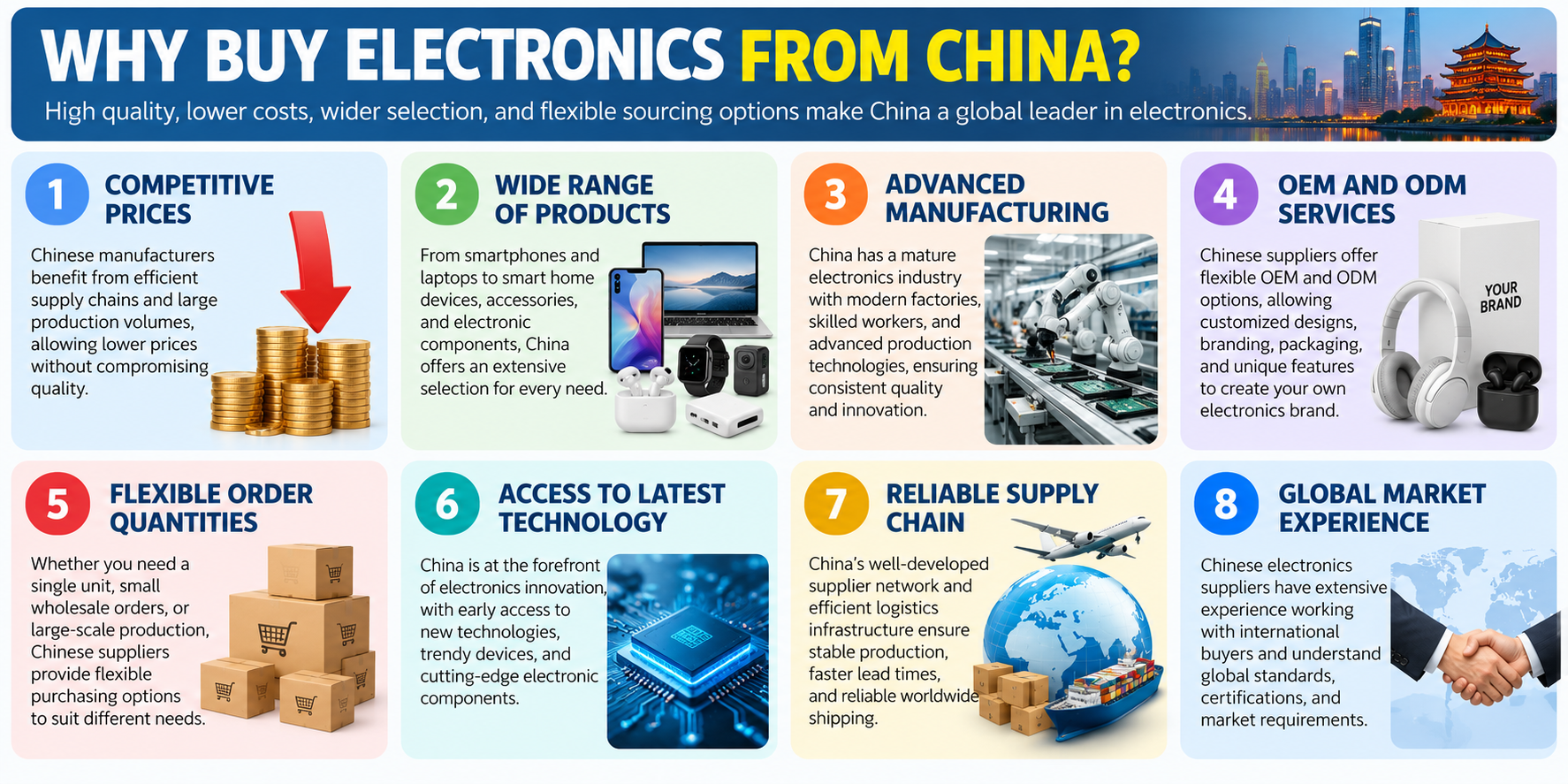
China has established a highly developed electronics manufacturing ecosystem, supported by extensive supplier networks, specialized industrial clusters, and efficient logistics infrastructure.
Major manufacturing centers such as Shenzhen, Dongguan, Guangzhou, and Huizhou supply electronic components and finished products to buyers around the world.
1. Competitive Manufacturing Prices
One of the primary advantages of sourcing electronics from China is the opportunity to reduce purchasing costs.
Chinese manufacturers often benefit from established component supply chains, specialized production facilities, and large manufacturing volumes. These advantages can lower production costs for certain products.
When we buy electronics directly from Chinese factories, we may also avoid several intermediary markups.
Nevertheless, we should compare total landed costs rather than relying exclusively on advertised product prices.
2. Extensive Selection of Electronic Products
China produces a wide range of consumer and commercial electronics, including:
- Smartphones, tablets, and computer accessories
- Wireless earbuds, headphones, and Bluetooth speakers
- Smartwatches and wearable electronic devices
- Smart home equipment and security cameras
- Gaming accessories, keyboards, and computer mice
- USB cables, chargers, and power adapters
- LED lighting and electronic accessories
- Projectors, monitors, and portable displays
- Power banks and portable energy products
- Electronic components and replacement parts
This product diversity allows us to source multiple categories through different manufacturers or consolidate orders with a trading company.
3. OEM and ODM Manufacturing Opportunities
Many Chinese electronics manufacturers provide OEM (Original Equipment Manufacturer) and ODM (Original Design Manufacturer) services.
OEM manufacturing allows us to produce electronics according to specified designs, components, branding, and packaging requirements.
ODM manufacturing enables us to customize existing product designs developed by a manufacturer.
These services are particularly valuable when we want to establish a private-label electronics brand or introduce products with differentiated features.
4. Flexible Purchasing Quantities
Chinese electronics suppliers serve buyers with different purchasing requirements.
Some online marketplaces allow us to purchase individual products, while B2B platforms connect us with suppliers offering small wholesale orders and large-scale production.
Minimum order quantities depend on the product, customization requirements, and manufacturing process.
Best Websites to Buy Electronics Online From China
Selecting the right platform is essential when purchasing electronics internationally.
Different Chinese e-commerce platforms specialize in retail shopping, wholesale purchasing, factory sourcing, and customized manufacturing.
| Platform | Best For | Main Advantage |
|---|---|---|
| Alibaba.com | Wholesale electronics and OEM orders | Direct supplier communication and bulk quotations |
| AliExpress | Individual electronics purchases | Small quantities and international retail ordering |
| 1688.com | Domestic Chinese wholesale sourcing | Access to domestic suppliers and factory listings |
| Made-in-China.com | B2B electronics manufacturing | Supplier and product specification searches |
| Global Sources | Consumer electronics and wholesale procurement | Electronics-focused supplier discovery |
| DHgate | Small wholesale and retail orders | Broad product selection and flexible quantities |
| JD.com | Chinese domestic retail electronics | Established retail marketplace and product listings |
Alibaba – Best for Wholesale Electronics From China
Alibaba is one of the most recognized international B2B sourcing platforms.
We can use Alibaba to connect with factories, wholesalers, and trading companies offering consumer electronics, computer accessories, smart devices, and electronic components.
Many suppliers accept requests for quotations and offer customized products.
When sourcing electronics through Alibaba, we recommend comparing multiple suppliers, obtaining detailed quotations, requesting samples, and using eligible platform-supported payment protection.
AliExpress – Best for Buying Individual Electronics
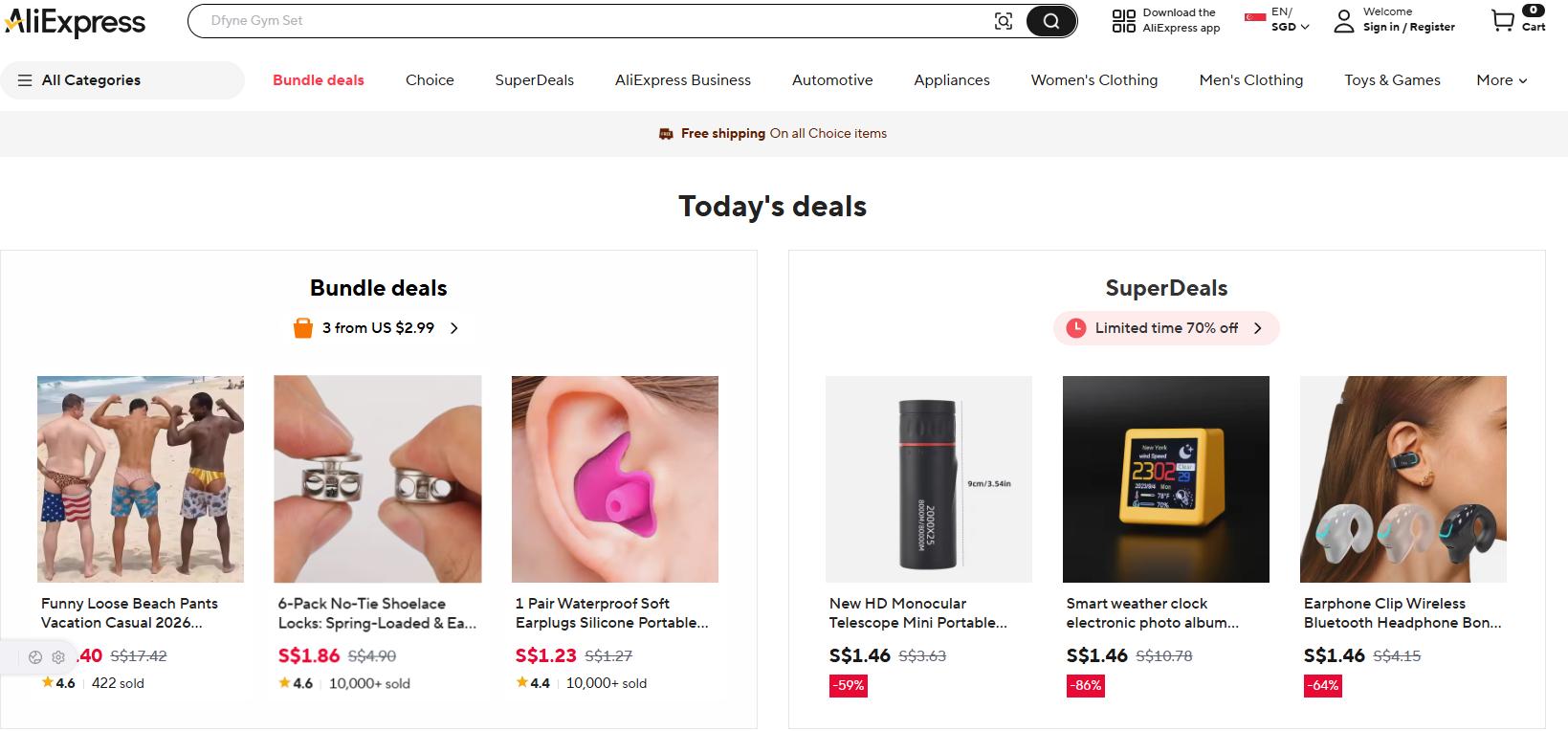
AliExpress is suitable when we want to purchase electronics online from China without committing to large wholesale quantities.
The platform offers products such as wireless headphones, portable speakers, phone accessories, smartwatches, and computer peripherals.
We should carefully review seller ratings, customer feedback, device specifications, shipping charges, and return conditions.
1688 – Best for Domestic Chinese Wholesale Electronics
1688 is a major domestic Chinese B2B marketplace.
It provides access to electronics manufacturers, wholesalers, and distributors serving the Chinese market.
Some suppliers offer attractive wholesale prices, but international buyers may encounter Chinese-language interfaces, domestic payment requirements, and limited overseas shipping options.
For these reasons, working with a China sourcing agent or purchasing partner can simplify communication, payment, product inspection, and export arrangements.
Made-in-China – Best for Factory-Based Electronics Sourcing
Made-in-China.com helps international buyers find Chinese manufacturers and export suppliers.
We can search for electronic products, review supplier information, compare technical specifications, and request customized quotations.
The platform is particularly useful when sourcing industrial electronics, electronic components, and finished consumer devices.
Global Sources – Best for Professional Electronics Buyers
Global Sources connects international buyers with manufacturers across numerous product categories, including consumer electronics and electronic accessories.
It can be useful for importers, electronics wholesalers, private-label brands, and retailers looking for established export-oriented suppliers.
We should still conduct independent supplier verification and product testing before placing substantial orders.
How to Buy Electronics Online From China: Step-by-Step Guide
Purchasing electronics internationally becomes easier when we follow a structured sourcing and procurement process.
Step 1: Identify the Electronics We Want to Purchase
Before contacting suppliers, we should clearly identify the product category and technical requirements.
For example, when purchasing wireless earbuds, we should establish requirements for Bluetooth compatibility, battery capacity, charging interfaces, audio performance, microphone quality, packaging, and warranty coverage.
For chargers and adapters, we must also specify electrical input, output ratings, plug types, and applicable safety requirements.
A detailed product specification helps us compare quotations accurately.
Step 2: Search for Reliable Chinese Electronics Suppliers
We can begin our supplier research through Alibaba, Made-in-China, Global Sources, or specialized manufacturing directories.
Instead of choosing the cheapest listing, we should evaluate the supplier's product specialization, business information, communication quality, production capabilities, and documentation.
We should also determine whether the supplier is a manufacturer, distributor, or trading company.
Each business model can provide value depending on our purchasing requirements.
Step 3: Compare Product Prices and Supplier Quotations
We recommend requesting quotations from several suppliers before making a purchasing decision.
An effective quotation should identify the product model, technical specifications, unit price, minimum order quantity, customization costs, packaging, production lead time, and applicable Incoterm.
A quotation without clearly defined specifications can lead to unexpected differences in product quality.
We must ensure all suppliers quote equivalent products before comparing prices.
Step 4: Order Electronics Samples
Product sampling is especially important when purchasing electronics for resale.
A sample allows us to inspect product appearance, functionality, construction quality, compatibility, and packaging.
For electronic devices, we should test charging performance, connectivity, operating stability, and relevant safety features.
We should also confirm that the sample represents the materials and components intended for mass production.
Step 5: Verify Product Quality and Compliance
Before approving production, we should request relevant technical documentation and evidence of applicable conformity assessments.
Depending on the product and destination market, documentation may include test reports, declarations of conformity, equipment authorization records, and battery transport documentation.
A third-party inspection can provide additional confidence before international shipment.
Step 6: Arrange Payment and Confirm Production
Payment arrangements depend on supplier policies, order size, purchasing platform, and commercial relationship.
For wholesale orders, we should confirm payment milestones, acceptance criteria, delivery dates, and remedies for defective products in writing.
Whenever possible, we should use traceable payment channels and verify the supplier's official payment details.
Step 7: Organize International Shipping
After completing quality checks, we can arrange shipping through a courier service, air freight provider, or ocean freight forwarder.
The appropriate transportation method depends on shipment weight, dimensions, urgency, value, and the type of electronic equipment.
We must pay particular attention to products containing lithium batteries, which are subject to additional transportation requirements.
Most Popular Electronics to Buy From China
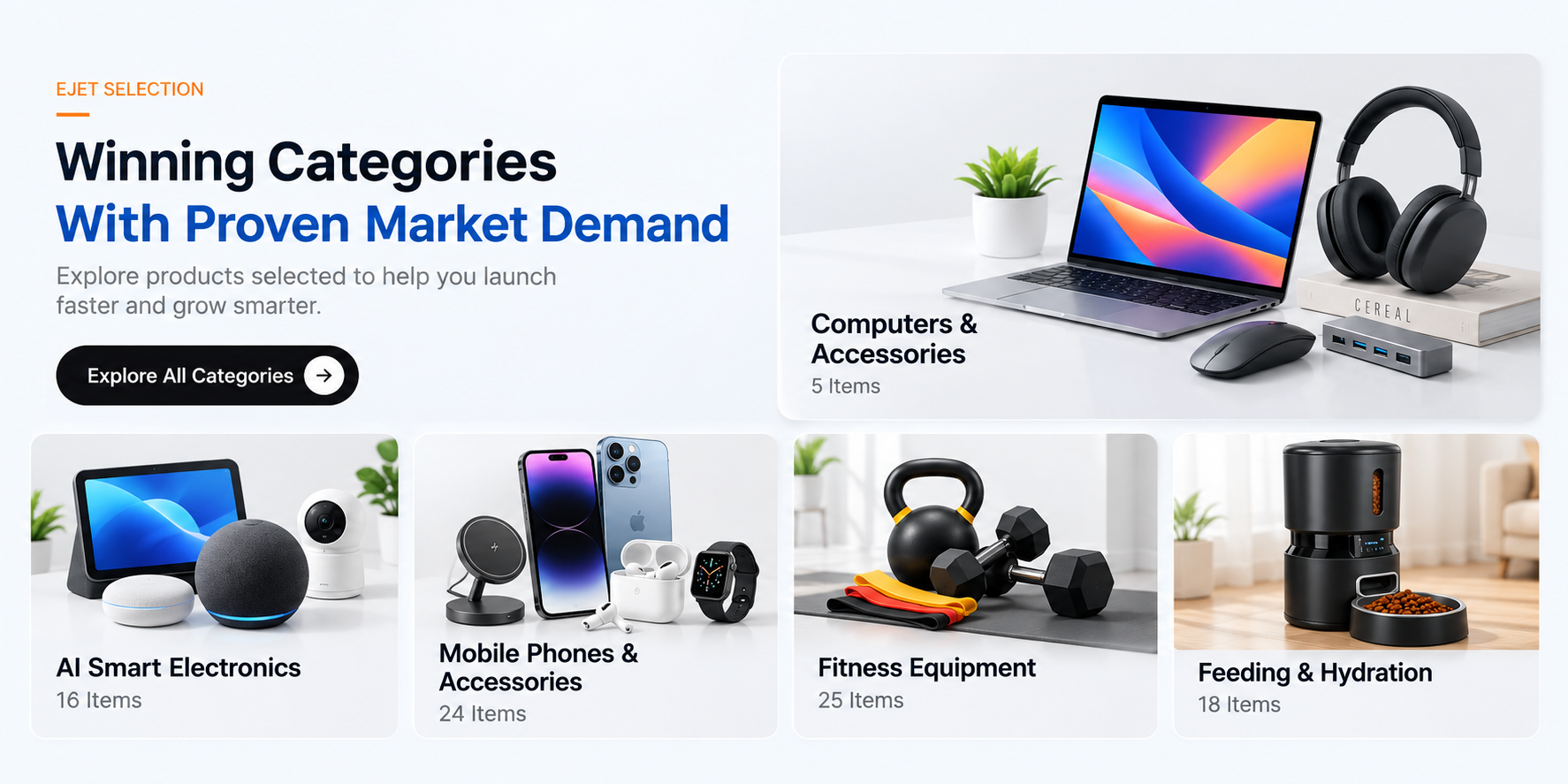
Smartphones and Mobile Accessories
China manufactures and supplies a broad range of mobile devices and accessories.
Popular sourcing categories include phone cases, charging cables, wireless charging accessories, phone holders, screen protectors, and replacement components.
When purchasing smartphones, we should verify regional network compatibility, operating-system support, software availability, warranty terms, and authenticity.
We should never assume that a device manufactured for the Chinese domestic market will work identically in another country.
Wireless Earbuds and Bluetooth Speakers
Wireless audio products are widely available through Chinese electronics suppliers.
We can source entry-level earbuds, noise-canceling headphones, portable speakers, and customized audio accessories.
For these products, we should evaluate battery performance, wireless connectivity, charging safety, audio quality, and the consistency of electronic components.
Smart Home Electronics
Smart home technology is another important product category.
China supplies smart plugs, sensors, connected lighting, security cameras, video doorbells, and home automation accessories.
Before purchasing, we should verify wireless standards, app compatibility, cybersecurity features, firmware update support, and regional electrical requirements.
Products that rely on a manufacturer's cloud service require additional attention to long-term software support.
Computer Accessories and Gaming Electronics
Computer accessories offer opportunities for electronics retailers and wholesale distributors.
Common products include keyboards, mice, USB hubs, laptop stands, docking stations, cooling equipment, and gaming peripherals.
We should prioritize compatibility, durability, connector quality, and accurate technical specifications.
Power Banks and Electronic Chargers
Portable power products are popular but require particularly careful supplier selection.
We should verify actual battery capacity, rated energy, charging performance, temperature protection, and battery quality.
For chargers, we must assess electrical safety and compatibility with the intended devices.
Shipping restrictions and destination-country compliance requirements must be confirmed before purchase.
How Much Does It Cost to Buy Electronics From China?
The cost of purchasing electronics from China depends on product complexity, component quality, brand, order quantity, customization, and shipping arrangements.
A factory's quoted unit price is only one part of the total purchasing cost.
We recommend calculating the landed cost per unit to understand the true financial impact of an international order.
Example of a Wholesale Electronics Cost Calculation
The following illustration demonstrates how additional expenses influence the final cost of an electronics order.
| Cost Component | Illustrative Amount |
|---|---|
| 500 electronic accessories at $8 each | $4,000 |
| Product inspection | $200 |
| International freight | $450 |
| Customs duties and import taxes | $500 |
| Customs and local handling | $150 |
| Total estimated landed cost | $5,300 |
| Estimated landed cost per unit | $10.60 |
These figures are hypothetical and do not represent current supplier quotations, freight rates, or actual import tax assessments.
By calculating landed costs, we can determine selling prices, estimate gross margins, and avoid unexpectedly expensive imports.
How to Find Reliable Electronics Manufacturers in China
Finding a reliable manufacturer is one of the most important stages of buying electronics from China.
We should assess suppliers using several practical criteria.
Business verification: Confirm the supplier's registered business details, operating location, and legal company name.
Manufacturing capabilities: Determine whether the supplier controls production, outsources manufacturing, or sources finished products from other factories.
Technical competence: Ask detailed questions about electronic components, product testing, engineering support, and manufacturing processes.
Quality management: Review inspection procedures, quality documentation, and production controls.
Product compliance: Request documents relevant to the exact product model and destination market.
Communication: Evaluate the supplier's responsiveness, technical accuracy, and ability to resolve problems.
After-sales support: Confirm defective product procedures, spare parts availability, and warranty arrangements.
When purchasing large quantities, we may also organize a factory audit before confirming production.
China Electronics Wholesale Markets: Where to Source Products
Although online platforms provide convenient access to Chinese suppliers, certain physical manufacturing and trading centers are particularly useful for electronics sourcing.
Shenzhen – Huaqiangbei Electronics Market
Shenzhen is an important center for China's electronics industry.
The Huaqiangbei electronics market area is known for electronic components, mobile accessories, repair parts, computer accessories, and numerous other electronic products.
Buyers can explore a wide supplier network and compare different product categories.
However, we should verify product quality and supplier reliability rather than assuming all products meet international standards.
Dongguan – Electronics Manufacturing Hub
Dongguan supports a broad manufacturing ecosystem that includes electronic accessories, connectors, assemblies, and finished consumer products.
For businesses developing customized electronics, its manufacturing network can provide opportunities to work with component suppliers and production facilities.
Guangzhou – Consumer Electronics Trading
Guangzhou offers numerous wholesale and trading businesses supplying electronic accessories, communication products, and consumer goods.
It can be useful for buyers combining electronics with other merchandise categories.
Yiwu – Small Electronics and Accessories
Yiwu is widely recognized for its wholesale commodity market.
We can find various consumer electronic accessories, including mobile phone accessories, LED products, electronic gifts, and small gadgets.
Yiwu may be particularly convenient for importers purchasing mixed product categories in smaller quantities.
Shipping Electronics From China to Other Countries

Shipping electronics requires careful planning because products may be fragile, high-value, or subject to battery transportation restrictions.
Express Courier Shipping
International courier services can be suitable for product samples and smaller electronics shipments.
They generally provide tracking and relatively straightforward parcel handling.
However, prices may be high for bulky orders, and certain battery-powered products may require specialized shipping arrangements.
Air Freight
Air freight can be suitable when we need faster transportation for commercial electronics shipments.
We should consider chargeable weight, handling fees, customs clearance, and destination charges when comparing quotations.
Products with lithium batteries may require additional documentation, packaging, and carrier approval.
Sea Freight
Sea freight is often appropriate for larger commercial orders, especially when transportation costs are more important than delivery speed.
We can choose between less-than-container-load (LCL) and full-container-load (FCL) services depending on shipment volume.
Moisture protection, shock-resistant packaging, and accurate cargo documentation are important for electronics shipments.
Lithium Battery Shipping Requirements
Lithium batteries are subject to dangerous goods transportation rules.
For applicable air shipments, manufacturers and shippers may need to provide evidence of UN 38.3 testing, appropriate packaging, markings, and additional documentation.
Requirements depend on battery chemistry, energy rating, quantity, and whether batteries are installed in equipment or shipped separately.
We should confirm the shipment classification with an experienced freight forwarder before dispatch.
Import Regulations for Electronics From China
Importing electronics requires compliance with the regulations of the destination country.
For commercial importers, documentation and conformity requirements should be verified before placing large production orders.
Buying Electronics From China for the United States
Certain electronic and radio-frequency products sold or imported into the United States must meet applicable Federal Communications Commission (FCC) equipment authorization requirements.
Depending on the product, the applicable procedure may involve certification or Supplier's Declaration of Conformity.
Importers must also consider customs classification, tariffs, country-of-origin rules, and other product-specific regulations.
We should verify compliance for the exact model rather than relying on a supplier's general statement that a product is FCC approved.
Buying Electronics From China for the European Union
Electronic products placed on the EU market may be subject to several requirements, including:
CE marking: Applies to electronics covered by relevant EU harmonization legislation.
RoHS: Restricts specified hazardous substances in electrical and electronic equipment.
WEEE: Establishes obligations concerning electronic waste collection, registration, reporting, and recycling.
Radio Equipment Directive (RED): Applies to relevant radio-enabled products and includes additional requirements for certain connected devices.
General Product Safety Regulation (GPSR): Provides a broader safety framework, including requirements relevant to online sales where applicable.
For covered portable electronic devices, EU common-charger requirements have applied since December 28, 2024, and to covered laptops since April 28, 2026.
We must ensure the electronics we import meet all applicable requirements, rather than treating a CE logo as sufficient proof of compliance.
Importing Electronics Into Other Markets
Countries such as Canada, the United Kingdom, Australia, and Singapore may impose their own electrical safety, radio equipment, labeling, and import requirements.
For example, wireless devices and products connected to mains electricity often require additional compliance checks.
We recommend identifying destination-market regulations before approving product specifications and packaging.
Common Mistakes When Buying Electronics From China
Even experienced international buyers can encounter difficulties when purchasing electronics.
Choosing Suppliers Based Only on Price
Extremely low quotations may indicate different components, reduced specifications, or inconsistent product quality.
We should compare equivalent products and evaluate total purchasing costs.
Skipping Samples and Product Testing
Without product testing, we may discover defects only after the shipment reaches its destination.
Samples and pre-shipment inspections help reduce this risk.
Ignoring Regional Compatibility
Electronic products may differ in voltage, plug type, wireless frequency support, language, software, and network compatibility.
We should verify destination-specific requirements before purchasing.
Ordering Branded Electronics Without Authorization
Counterfeit electronics can create significant legal, financial, and reputational risks.
We should purchase branded products only from legitimate authorized distribution channels or suppliers able to establish lawful sourcing rights.
Failing to Confirm Warranty Conditions
Returning defective electronics internationally can be expensive.
We should agree in advance on defective unit allowances, replacement procedures, repair responsibilities, and warranty claim documentation.
Overlooking Software and Cybersecurity
Connected electronics can create additional risks if manufacturers fail to maintain firmware, protect user information, or address known vulnerabilities.
When sourcing smart devices, we should assess the supplier's software maintenance and security update policies.
Buying Electronics in Bulk From China for Resale
Wholesale electronics purchasing can support online retailers, distributors, physical stores, and private-label businesses.
However, profitability depends on selecting the right products and controlling costs.
We should first analyze customer demand, competitive pricing, product specifications, potential return rates, and expected margins.
Next, we can identify suitable manufacturers and request wholesale quotations.
For private-label electronics, we should define branding requirements, packaging designs, user manuals, technical documentation, and after-sales responsibilities.
It is also important to maintain consistency between approved samples and mass-produced products.
For larger orders, we can use production inspections and final random inspections to help verify the shipment before dispatch.
By establishing clear quality standards and supplier agreements, we can build a more reliable electronics sourcing process.
Should We Work With a China Electronics Sourcing Agent?
A China sourcing agent can simplify international electronics procurement, especially when we need to work with several manufacturers.
Sourcing agents may assist with supplier discovery, price negotiation, sample coordination, factory audits, quality inspection, order consolidation, and international shipping.
This approach can be useful for importers purchasing electronics alongside accessories, packaging, or other merchandise.
However, we should clarify the agent's service fees, supplier relationships, responsibilities, and payment arrangements before beginning cooperation.
A reliable sourcing partner should provide transparent quotations, consistent communication, and clear documentation.
For businesses managing frequent wholesale orders, these services may help reduce coordination costs and improve procurement efficiency.
Frequently Asked Questions About Buying Electronics Online From China

1. Is It Safe to Buy Electronics Online From China?
Yes, purchasing electronics from China can be safe when we choose reputable sellers, verify technical specifications, use secure payment methods, and confirm product compliance. We should also review warranties, customer feedback, and return policies before placing orders.
2. What Is the Best Website to Buy Electronics From China?
The best website depends on our purchasing requirements. Alibaba, Made-in-China, and Global Sources are useful for wholesale sourcing, while AliExpress is convenient for smaller retail purchases. The 1688 platform may provide additional domestic Chinese supplier options.
3. Are Electronics Cheaper in China?
Some electronics and accessories are available at competitive prices because of China's extensive manufacturing ecosystem. However, the final cost depends on product quality, brand, shipping, import duties, taxes, and warranty coverage. We should compare landed costs rather than advertised prices alone.
4. Can We Buy Electronics Directly From Chinese Manufacturers?
Yes. Many Chinese manufacturers accept direct B2B orders through their websites and wholesale marketplaces. Minimum order quantities, customization requirements, and payment terms vary by supplier.
5. How Can We Avoid Fake Electronics From China?
We should verify supplier credentials, check brand authorization, review product documentation, and avoid suspiciously low offers for branded devices. Whenever possible, we should purchase genuine branded electronics through authorized distribution channels.
6. Can We Buy Electronics From China Without a Minimum Order Quantity?
Yes. Retail-oriented platforms often allow purchases of individual products. Some wholesalers also accept small trial orders, although custom manufacturing and private-label production typically require minimum quantities.
7. How Long Does Shipping Electronics From China Take?
Shipping time depends on the origin, destination, transportation method, carrier schedules, customs processing, and product restrictions. Express shipping is generally faster than ocean freight, but it is usually more expensive per unit.
8. Do We Need Import Licenses to Buy Electronics From China?
Requirements depend on the destination country and product category. Certain wireless, telecommunications, medical, or specialized electronic products may require additional permits or authorizations. We should confirm local import regulations before placing an order.
9. Can We Customize Electronics Purchased From China?
Yes. Many Chinese electronics manufacturers provide OEM and ODM services, allowing us to customize branding, packaging, product appearance, hardware configurations, and selected technical features. Customization may require engineering charges and higher minimum order quantities.
10. What Should We Check Before Buying Electronics in Bulk?
We should confirm supplier legitimacy, detailed product specifications, sample quality, applicable compliance documents, production capacity, warranty terms, payment conditions, inspection procedures, and total landed costs.
Conclusion: How to Buy Electronics Online From China Successfully
Buying electronics online from China offers access to a broad selection of consumer devices, accessories, electronic components, and manufacturing services.
Whether we purchase individual products through online marketplaces or source wholesale electronics directly from factories, success depends on selecting trustworthy suppliers and maintaining clear purchasing requirements.
We should prioritize product quality, verified specifications, regulatory compliance, secure payments, and dependable international logistics over the lowest advertised price.
For businesses importing electronics in bulk, working directly with established manufacturers or experienced sourcing partners can make supplier coordination, quality inspection, and international shipping more manageable.
By following a structured procurement process, we can source electronics from China more efficiently, reduce avoidable purchasing risks, and build long-term supplier relationships that support sustainable business growth.