Back To Blog
Where to Buy Electronics in Bulk for Resale?
ou can source electronics in bulk through technology distributors, retailer liquidation auctions, manufacturer refurbishment programs, and supplier marketplaces.
Options include Ingram Micro, Best Buy Liquidation Auctions on B-Stock, Dell Refurbished, and Alibaba.com, each serving a different sourcing need.
This guide explains which channels to investigate, what to verify, and how to judge a purchase beyond its advertised discount.
Where can I buy electronics in bulk?
For new technology inventory, investigate a distributor such as Ingram Micro; for liquidation stock, review Best Buy’s B-Stock marketplace or Liquidation.com.
Dell Refurbished offers a dedicated bulk program for off-lease computers, while Alibaba.com connects buyers with suppliers through its sourcing marketplace. Match the channel to the condition, quantity, and purchasing process your resale business can handle.
Technology distributors: Ingram Micro
Ingram Micro provides approved resellers with a product catalog, account pricing, availability information, and purchasing support. Its U.S. application FAQ lists a physical U.S. business presence, Federal Tax ID, and State Resale Tax ID among the requirements.
Quotes require an approved account, so do not assume you can compare its electronics wholesale prices without completing registration.
Consider this route when you want to buy electronics wholesale for a defined product range. Before applying, prepare a shortlist of models and ask about minimum orders, brand restrictions, returns, and warranty handling. Evaluate the account against your actual inventory needs rather than catalog size alone.
Retailer liquidation: Best Buy on B-Stock and Liquidation.com
Best Buy Liquidation Auctions accepts U.S.-based buyers and requests a valid reseller’s certificate, with an exception noted for states without sales tax. Its listings may use actual merchandise photos or stock images, making the written lot description especially important. Review the manifest, condition, payment deadline, and shipping arrangements before bidding.
Liquidation.com also offers electronics auctions across several inventory conditions. Its condition guidance says returns are generally not inspected or tested unless the listing states otherwise, and some units may be unsellable. Treat an untested returns lot as a sorting and testing project—not as ready-to-list inventory.
Manufacturer refurbishment programs: Dell Refurbished
Dell Refurbished’s bulk program includes off-lease laptops, desktops, servers, and monitors. Its published requirements include at least 100 assets, a licensed U.S. business, and shipment to a U.S. business address; computer resellers must also sign an agreement. Dell states that these systems are tested, functional, and supplied with a limited warranty.
Put this program on your shortlist if your plan centers on computers rather than mixed merchandise. Ask for the available configurations and warranty terms before calculating resale margins. A large order only makes sense when you can sell the specific models offered.
Supplier marketplaces: Alibaba.com
Alibaba.com is another channel to explore for wholesale tech gadgets. Its sourcing guidance recommends samples, detailed purchase orders, and eligible Trade Assurance orders. Protection depends on the applicable terms and documented specifications; it should not replace checking the supplier or inspecting the goods.
When comparing suppliers, request the same specifications from each one. Include packaging, accessories, quantity, delivery terms, and your inspection criteria. A quote for an apparently similar product is not useful until those details match.
Compare the inventory, not just the supplier
Before looking for affordable places to buy electronics in bulk, define what you are equipped to sell. Decide whether your business will list tested products, perform repairs, or dismantle devices for parts. Use that decision to rule out unsuitable lots before price becomes a distraction.
Condition labels deserve close reading. On Best Buy’s B-Stock marketplace, “mixed condition” can include salvage, while salvage means merchandise requiring significant repair or intended for parts. Liquidation.com likewise distinguishes returns from inventory described as retail ready. Read each platform’s definitions instead of assuming a familiar label means the same thing everywhere.
Use this checklist when reviewing an offer:
Exact identity: Request model numbers, specifications, quantities, and an itemized manifest where available.
Testing scope: Ask which functions were checked and whether results apply to every unit or only a sample.
Included items: Confirm chargers, cables, batteries, stands, and other accessories you intend to advertise.
Condition evidence: Request representative photos and clarification of cosmetic versus functional grades.
Remedies: Read the inspection window, dispute procedure, exclusions, and return-shipping responsibilities before paying.
How do you buy electronics in bulk without overpaying?
Set your purchase ceiling using expected resale proceeds after all costs, not the supplier’s claimed retail value. Build a lot-level budget, estimate how many units you can realistically sell, and test a downside scenario before placing an order. This gives electronics bulk buying a clear financial boundary rather than an open-ended search for discounts.
Use this planning formula:
Maximum inventory spend = expected sales revenue − selling expenses − preparation costs − delivery costs − contingency − target profit.
Include any applicable buyer’s premium, freight, import charges, replacement accessories, testing labor, packaging, platform fees, and outbound shipping. Confirm each charge rather than assuming it is included. Keep the contingency separate so uncertainty is visible.
For a purely hypothetical example, suppose your total acquisition and preparation budget is $2,400 for 100 devices. If only 80 become sellable, the allocated cost is $30 per sellable device before selling fees and customer shipping. Dividing by all 100 would show $24 and understate the cost carried by the units you actually sell.
Then follow a controlled purchasing sequence:
Choose one category. Define the models, condition, and accessories you will accept.
Check comparable sales. Use completed transactions matching the configuration and condition—not optimistic asking prices.
Request comparable quotes. Ask suppliers to specify the full delivered cost and purchasing terms.
Start with a sample or manageable lot. Test quality, documentation, and the work required before increasing exposure.
Record the outcome. Track sellable units, preparation time, returns, and realized margin before reordering.
If you want to buy electronics in bulk wholesale, negotiate around those requirements. Ask whether a smaller initial order, consistent specifications, or repeat purchasing could improve the offer. Do not accept unwanted inventory merely to reach a lower unit price.
Should you buy broken electronics in bulk?
Consider broken inventory only when you can assess faults, price the repair work, and identify a realistic outlet for usable parts. Start with defects you understand rather than a mixed lot of unknown failures. For context, Best Buy’s B-Stock definitions explicitly distinguish salvage from merchandise described as refurbished or sellable without repairs.
Before you buy broken electronics in bulk, ask the seller to separate known defects from untested units. Request details about missing components and previous repair attempts. Set a maximum repair budget per device, including your labor, and decide when an item becomes parts stock instead.
For pre-owned iPhones, Apple advises against buying devices with Activation Lock enabled. It also recommends checking battery health, physical damage, parts history, and return terms. Make these checks part of your purchasing criteria rather than discovering restrictions after delivery.
Turn your first order into a repeatable sourcing process
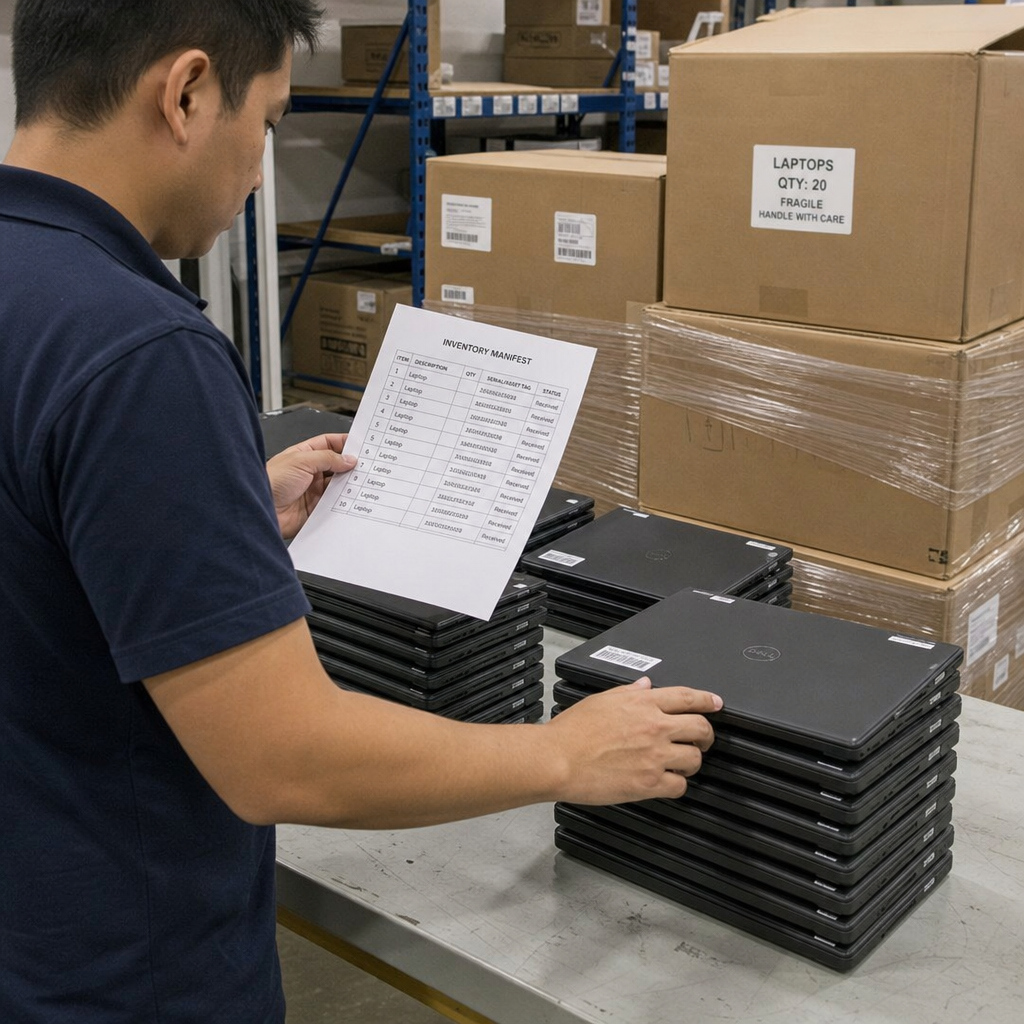
When you buy electronics in bulk to resell, inspect the delivery against the agreed description before listing anything. Photograph the shipment, reconcile quantities, and separate devices awaiting testing from those approved for sale. Keep records of discrepancies and follow the seller’s stated reporting process.
Build listings from verified specifications and observed condition, not copied supplier descriptions. Record missing accessories and cosmetic damage so your sales copy matches the item shipped. Before reordering, compare the actual outcome with your original budget.
The right sourcing channel is the one that fits your customers, skills, and cash limits. Shortlist relevant suppliers, verify the inventory, and make the first purchase small enough to evaluate carefully. Scale only when the results—not the advertised discount—support another order.
Frequently Asked Question About Where to Buy Electronics in Bulk for Resale
What are the best places to buy electronics in bulk?
The best places to buy electronics in bulk include technology distributors like Ingram Micro, retailer liquidation sites like Best Buy on B-Stock, manufacturer refurbishment programs such as Dell Refurbished, and supplier marketplaces like Alibaba.com.
How do I verify the quality of electronics before purchasing in bulk?
Always request detailed information including model numbers, specifications, and an itemized manifest. Additionally, ask for representative photos and clarification on the condition of the products to assess their quality before making a purchase.
Can I make a profit buying broken electronics in bulk?
Yes, you can potentially profit from buying broken electronics if you have the expertise to repair them or sell the usable parts. However, you must thoroughly assess the faults, repair costs, and identify potential buyers for the refurbished items or parts.
What should I consider when setting a budget for bulk purchases?
When setting a budget, include expected resale revenue, selling expenses, preparation costs, delivery costs, and a contingency amount. Understand the total costs involved in acquiring and preparing the inventory before setting a maximum spend.
Is it safe to buy electronics from online marketplaces?
Buying electronics from online marketplaces can be safe if you do your research. Ensure to check seller ratings, request samples, understand the terms of Trade Assurance if available, and read reviews from other buyers to minimize risks.