Back To Blog
Top Winter Products to Sell 2027: Trends & Essentials
Selling in winter is about solving two problems at once: people want to stay warm, and they want seasonal purchases that feel useful, giftable, or stylish.
For ecommerce sellers, boutiques, dropshippers, and small retailers, the best opportunities sit where practicality meets emotion: cozy apparel, cold-weather products, winter survival gear, home comfort items, and trend-led accessories.
This guide looks at winter products to sell 2027 with a practical lens, so you can build a catalog that feels current without gambling everything on short-lived fads.
What winter products should you sell in 2027?
The best winter products to sell in 2027 are items that customers can immediately understand: warm layers, protective accessories, emergency essentials, cozy home goods, and giftable seasonal bundles.
Start with proven winter must-haves, then add trend-driven colors, textures, personalization, or premium materials to make the offer feel fresh. Current retail signals point to cautious shoppers who still spend when the product feels useful, durable, or gift-ready, so avoid building a winter range around novelty alone.
The National Retail Federation forecasted 2026 holiday retail sales growth while noting that shoppers remained budget-aware, and Outdoor Industry Association reporting also pointed to pressure on discretionary spending, with unit sales falling even when dollar sales held steadier.
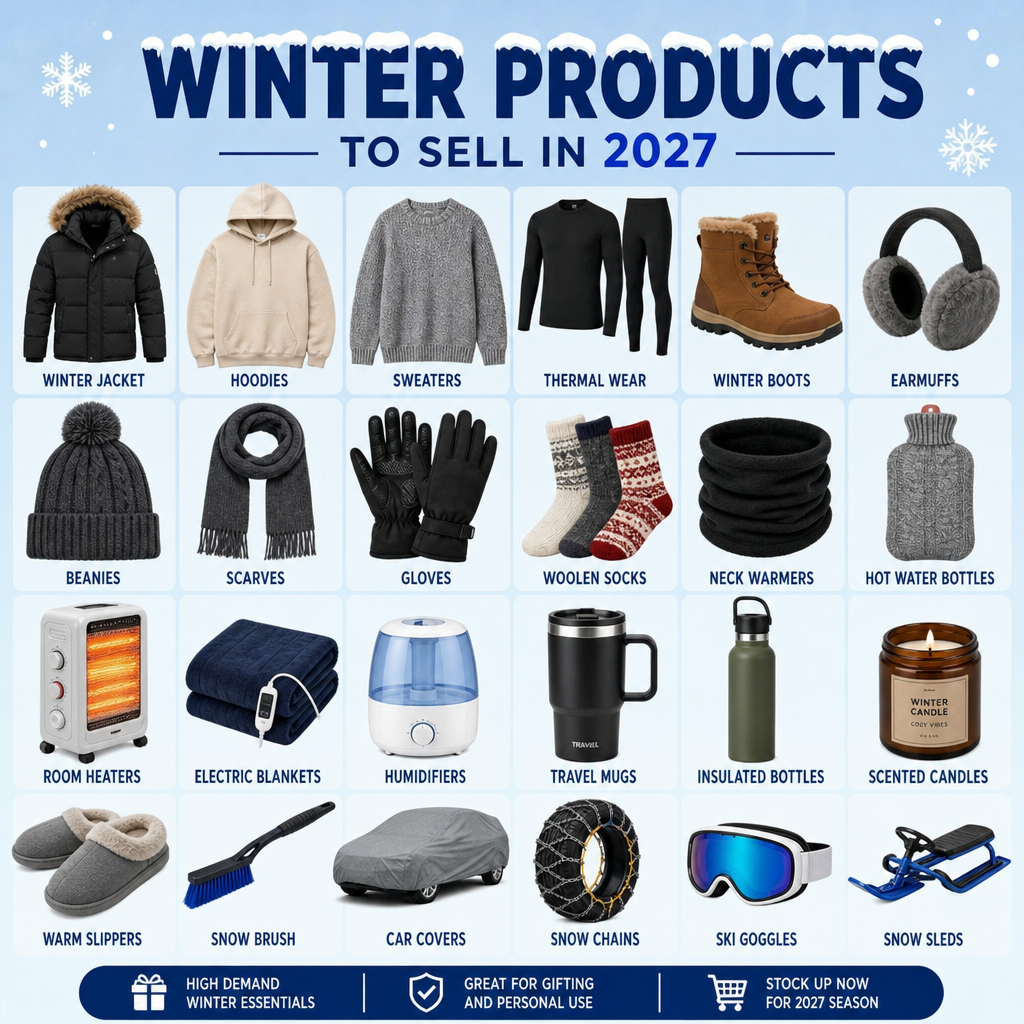
A strong 2027 winter product mix can include:
- Core warmth items: thermal base layers, fleece jackets, hoodies, insulated leggings, wool socks, beanies, gloves, scarves, and neck gaiters.
- Weather-protection products: waterproof boots, snow grips, packable rain shells, windproof outerwear, hand warmers, and insulated tumblers.
- Home comfort products: heated blankets, slippers, robes, candles, mugs, hot-water bottles, weighted blankets, and room humidifiers.
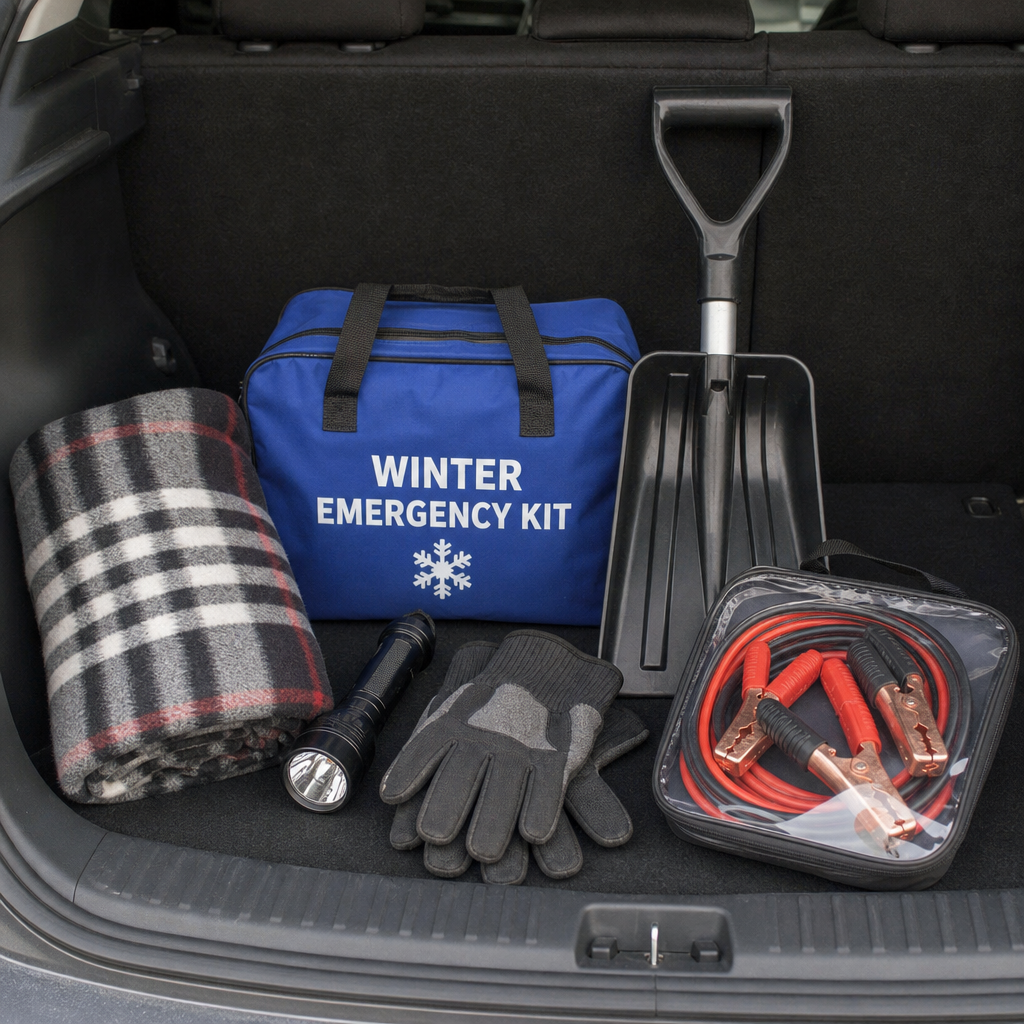
- Winter survival gear: car emergency kits, compact shovels, flashlights, battery banks, blankets, portable jump starters, and first aid supplies.
- Fashion-led pieces: structured coats, textured knitwear, faux shearling, teddy jackets, wide scarves, knit dresses, and rich seasonal colorways.
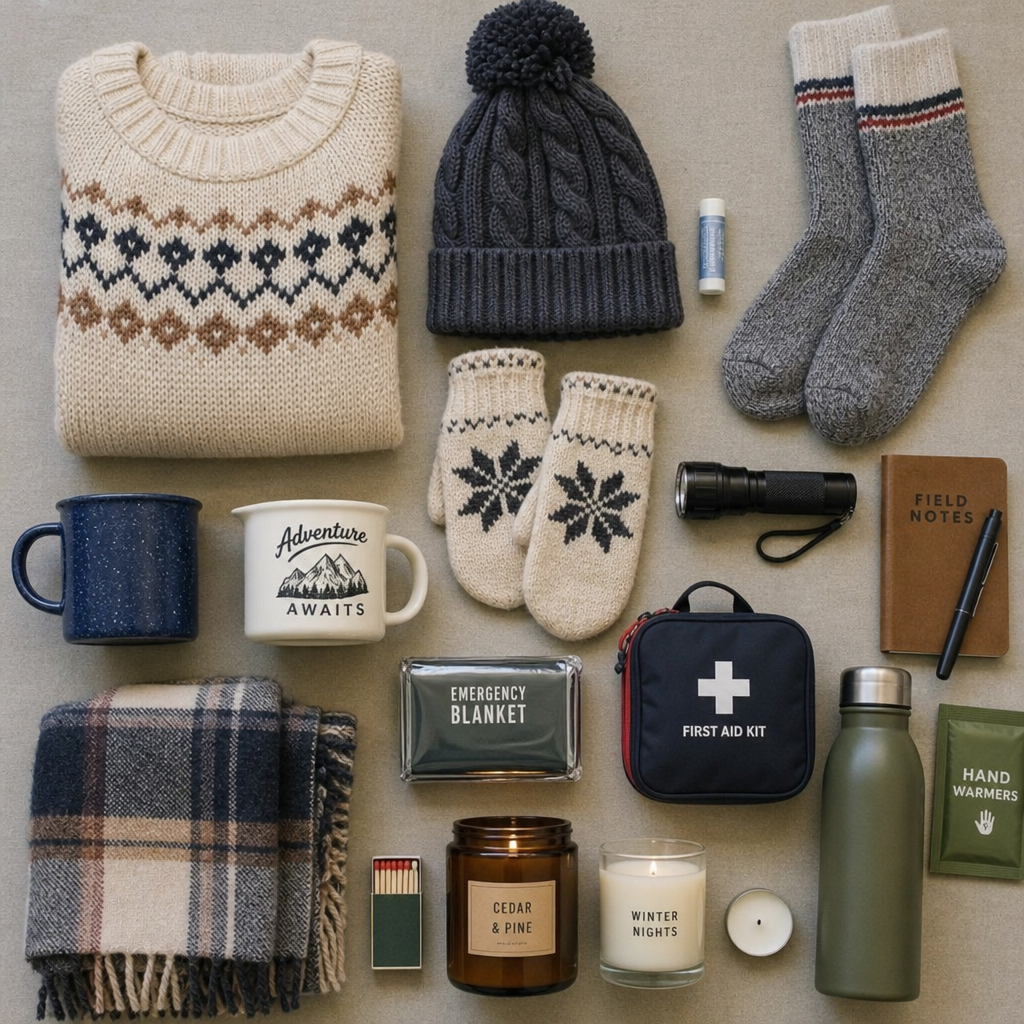
- Giftable add-ons: socks, ornaments, tote bags, wrapping accessories, lip balm sets, winter skincare, and mini comfort bundles.
Market signals shaping winter demand
Winter selling is seasonal, but the buying window is longer than many new sellers expect. Shoppers often begin browsing before the coldest weather arrives, especially for holiday gifts, winter travel, sports, and family apparel.
Printful’s recent winter ecommerce guidance recommends going live by early October and preparing six to eight weeks before peak demand, which is a useful planning benchmark for sellers who depend on search visibility, ads, marketplace indexing, or print-on-demand production.
At the same time, customers are becoming more selective. That does not mean they stop buying; it means they compare harder. Products that clearly communicate warmth, comfort, durability, safety, or gifting value will usually be easier to sell than vague seasonal novelties.
If you are choosing winter products to sell 2027, think less about “what looks cute?” and more about “what problem does this solve in January?”
Outdoor and apparel retailers should also pay attention to weather variability. A mild start to winter can slow demand for heavy outerwear, while sudden storms can create urgent interest in boots, gloves, car kits, ice scrapers, and winter survival gear.
The safest strategy is to balance deep-winter products with lighter cold-weather products that can sell in fall, winter, and early spring.
Cold-weather clothing remains the anchor category
Apparel is still one of the most reliable winter categories because it sits at the intersection of need, style, and gifting. The strongest approach is to divide your clothing offer into three layers: base warmth, visible style, and accessories.
Base warmth includes thermal tops, leggings, socks, and fleece-lined pieces. Visible style includes coats, jackets, knitwear, joggers, and winter dresses. Accessories include beanies, scarves, mittens, neck gaiters, and ear warmers.
Winter clothing trends for 2027 should not be interpreted as a reason to abandon basics. Instead, use trends to refresh basics. For example, a plain beanie becomes more compelling in an updated color palette; a simple fleece jacket feels more premium with embroidery; a scarf becomes a stronger gift when sold with matching gloves.
Fashion reporting for the 2026–2027 winter season has emphasized structured coats, charcoal and camel bases, cobalt and jewel-tone accents, tactile fabrics such as boucle and teddy, and knitwear that feels both warm and polished.
Those signals are useful for winter fashion 2027 because many wearable winter trends carry forward through details rather than disappearing after one season.
Practical apparel products to consider
- Fleece-lined leggings: Good for commuters, outdoor walkers, parents, and people who want warmth without bulky layers.
- Heavyweight hoodies and joggers: Easy to position as loungewear, streetwear, team merch, or gift sets.
- Beanies and knit caps: Low shipping complexity, broad sizing, and easy customization.
- Neck gaiters: Useful for skiing, cycling, hiking, commuting, and outdoor work.
- Wool or thermal socks: Strong as bundles, add-ons, and stocking stuffers.
- Structured coats and quilted jackets: Higher-ticket items that need clear quality cues, strong photography, and accurate sizing.
Home comfort products turn cold weather into an experience
Not every winter purchase is about going outside. Many shoppers want their homes to feel warmer, softer, and more comforting during shorter days. This is where cozy home goods can perform well, especially when merchandised as gifts or self-care products.
The category works because it is easy to visualize. A shopper can immediately imagine a blanket on the couch, a candle on a side table, or a mug beside a laptop. That makes product photography especially important. Show texture, scale, and use cases rather than relying on plain product images.
Strong home comfort ideas include:
- Heated blankets and electric throws for customers who want targeted warmth without heating an entire room.
- Sherpa blankets and oversized throws for gifting, dorm rooms, sofas, and guest bedrooms.
- Slippers and house socks for easy cold-floor comfort.
- Mugs, tea sets, and cocoa kits for affordable seasonal gifting.
- Candles and diffusers with winter scent profiles such as pine, amber, vanilla, cedar, spice, or citrus.
- Humidifiers for dry indoor air in heated homes.
- Hot-water bottles and microwave heat packs for simple, low-tech warmth.
To make these products feel less generic, create bundles around specific moods: “snow day night in,” “work-from-home warmth,” “guest room winter refresh,” or “cozy college care package.” Bundling helps shoppers make faster decisions and can raise average order value without forcing them to search through your whole catalog.
Winter survival gear is practical, giftable, and urgent
Winter survival gear deserves space in a 2027 product plan because it has a clear purpose: helping people prepare for storms, power outages, stranded vehicles, and freezing travel conditions. It can also be sold in a way that feels responsible rather than fear-based. Position it around peace of mind, family readiness, road trips, outdoor work, and everyday commuting.
The CDC recommends emergency supply kits that include water, nonperishable food, a flashlight, extra batteries, a battery-powered or hand-crank radio, medication, first aid supplies, documents, chargers, blankets, and pet or child-specific items when needed.
The National Weather Service also recommends keeping winter vehicle survival supplies such as a blanket, nonperishable food, a small shovel, a portable battery jump starter, and a phone car adapter in case someone becomes stranded in a storm.
For sellers, this creates several product angles:
- Car winter kits: ice scraper, blanket, flashlight, shovel, gloves, hand warmers, jump starter, and emergency poncho.
- Power outage kits: lantern, batteries, power bank, emergency radio, matches, and basic first aid.
- Outdoor worker kits: insulated gloves, thermal socks, balaclava, hand warmers, reflective gear, and thermos.
- Family preparedness bundles: blankets, water storage, first aid, document pouch, and checklist card.
- Pet winter kits: paw balm, reflective leash, collapsible bowl, blanket, and pet-safe cold-weather accessories.
Be careful with claims in this category. Do not imply a product guarantees safety or survival. Instead, provide clear contents, use cases, maintenance advice, and reminders to check local weather guidance.
How do you choose products that fit your store?
Choose winter products by matching demand, margin, shipping practicality, and audience fit rather than chasing every trend at once.
A boutique may do well with coats, knitwear, and scarves, while a marketplace seller may prefer compact accessories, home comfort items, and emergency kits. A brand with a strong visual identity can lean into custom apparel and gift bundles, while a general store should prioritize usefulness and easy comparison.
Use this checklist before adding a product:
- Does it solve a real winter problem? Warmth, dryness, visibility, comfort, safety, or gifting should be obvious.
- Can customers understand it quickly? If the benefit takes too long to explain, conversion may suffer.
- Is sizing simple? Accessories and home goods reduce return risk compared with fitted apparel.
- Will it photograph well? Texture, warmth, and scale matter in winter merchandising.
- Can it be bundled? Socks, mugs, candles, beanies, and hand warmers work well as add-ons.
- Does it fit your climate mix? Sellers serving warm regions may need lighter layers, rain products, and indoor comfort goods.
- Can you reorder fast? Seasonal demand can spike suddenly, so avoid fragile supply chains for your best sellers.
This process keeps your winter catalog focused. It also helps you avoid stocking five similar products that compete with each other instead of building a clear assortment.
Merchandising ideas that make winter products easier to buy
Winter shoppers often buy by situation, not just by product type. They are preparing for a ski trip, building a holiday gift basket, replacing worn-out gloves, packing a child for college, or making a home office warmer. Organizing your store around those situations can make browsing easier.
|
Shopping moment |
Product bundle idea |
Why it works |
|---|---|---|
|
Daily commute |
Beanie, gloves, thermal socks, tumbler |
Practical, repeatable, easy to gift |
|
Snow day at home |
Blanket, mug, candle, slippers |
Emotional and visually appealing |
|
Winter road trip |
Car kit, phone charger, blanket, flashlight |
Safety-focused and urgent |
|
Outdoor workout |
Neck gaiter, base layer, reflective band, gloves |
Targets active winter routines |
|
Holiday gifting |
Socks, cocoa mix, ornament, tote bag |
Affordable and easy to personalize |
|
Boutique winter look |
Coat, scarf, knit dress, boots |
Builds a complete outfit story |
Product pages should answer the questions shoppers silently ask: How warm is it? Who is it for? What size should I choose? Can it be gifted? When will it arrive? What can I pair it with? If those answers are visible, your cold weather products become easier to trust.
Timing matters as much as product selection
A winter selling calendar should begin before winter. Use late summer to research suppliers and samples, early fall to build listings and content, October to launch, November to push giftable products, December to emphasize shipping deadlines, and January to shift toward practical cold-weather needs and markdown control.
For trend-led apparel, order conservatively in statement colors and more confidently in wearable neutrals. For accessories, keep enough depth to support bundles. For winter survival gear, watch the forecast and regional weather alerts because storms can create sudden local demand.
The goal is not to predict every bestseller perfectly. The goal is to build a flexible assortment with enough proven basics to protect revenue and enough freshness to make shoppers stop scrolling.
Final takeaway
The strongest winter products to sell 2027 will be useful first and stylish second, with the best winners doing both. Build around warmth, comfort, preparedness, gifting, and practical cold-weather routines, then layer in winter clothing trends through color, texture, and styling.
If your catalog includes reliable winter must-haves, smart bundles, and clear product pages, you will be better positioned for shoppers who want value, usefulness, and a little seasonal delight.
Frequently Asked Questions About Winter Products to Sell in 2027:
What are the best winter products to sell in 2027?
The best winter products include thermal base layers, insulated outerwear, cozy home items like heated blankets, winter survival gear such as emergency kits, and trendy fashion accessories that merge style with functionality.
How can I determine what winter products will be in demand?
Monitor seasonal trends, analyze consumer behavior, and look for gaps in the market. Consider factors like weather forecasts, holiday spending habits, and popular colors or styles in winter fashion.
What are some effective marketing strategies for winter products?
Use targeted social media campaigns, create engaging content around winter needs, and bundle products for gifting. Highlight benefits like warmth, safety, and comfort to attract budget-conscious customers.
How should I price my winter products?
Assess the cost of goods, research competitor pricing, and consider the perceived value of your items. Aim to balance affordability with quality, while also being mindful of seasonal purchasing trends.
What role does product photography play in selling winter items?
High-quality product photography is crucial for showcasing textures, warmth, and usability of winter products. Clear, visually appealing images help consumers envision the products in their own lives, increasing the likelihood of a purchase.