Back To Blog
Top Wholesale Home Decor Suppliers from China: A Comprehensive Guide
Sourcing from wholesale home decor suppliers from China can help retailers, interior brands, online sellers, and project buyers build a broader product range with flexible design options.
The opportunity is attractive, but success depends on choosing the right supplier type, checking product quality carefully, and understanding how ordering, customization, packaging, and shipping work before you commit.
This guide explains how to approach Chinese sourcing with a practical mindset. You’ll learn what to look for, what to ask, how China-based suppliers compare with local options, and how to reduce risk while building a reliable home decor supply chain.
What should buyers know before sourcing home decor from China?
Buyers should know that China’s home decor market is broad, supplier quality varies, and the best partner is not always the cheapest one. A good supplier should be able to match your product style, quantity needs, quality expectations, packaging requirements, and delivery timeline.
Before contacting wholesale decor suppliers, define what you want to sell, how much control you need over design, and whether your priority is low minimum order quantities, custom branding, fast replenishment, or product variety.
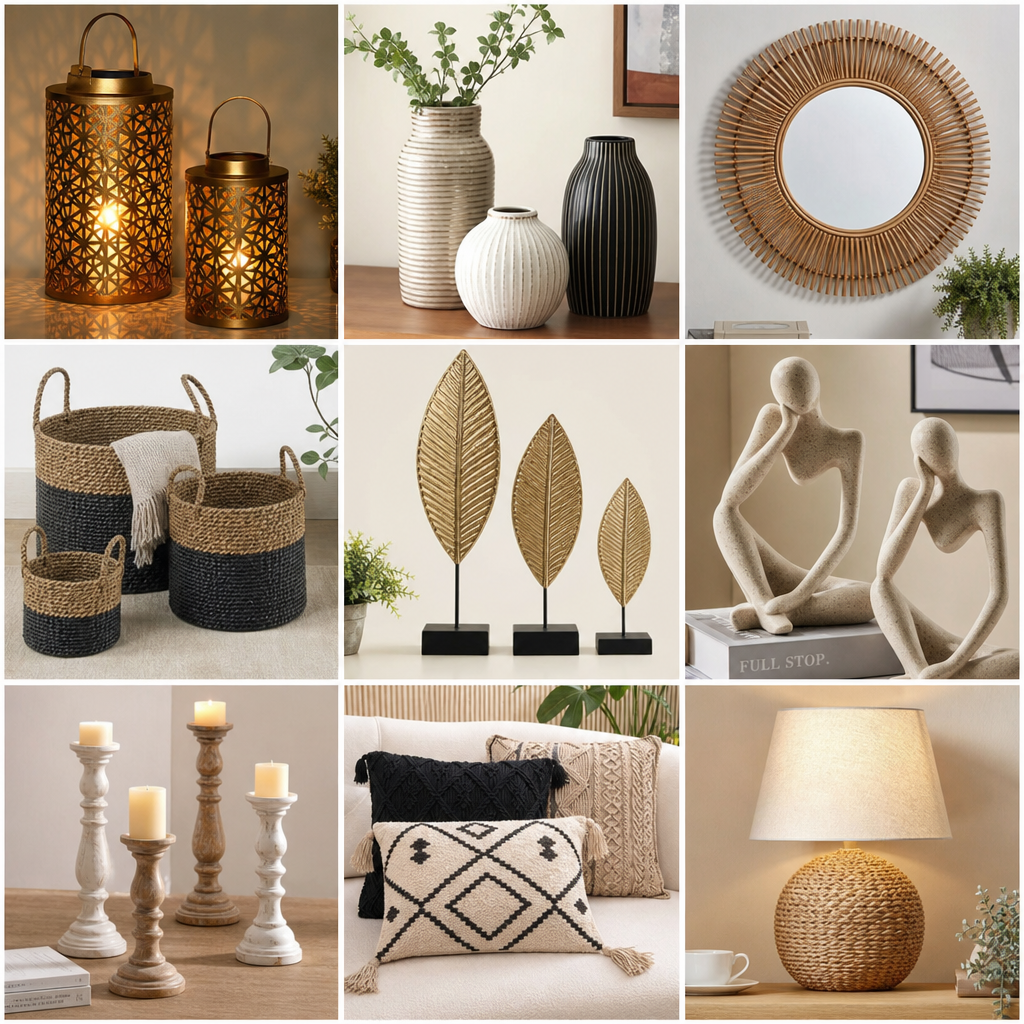
Home decor covers many categories, from vases, candle holders, mirrors, wall art, faux plants, ceramics, baskets, trays, lamps, seasonal decorations, and decorative storage to furniture accents and textile accessories.
Each category has different production methods, quality risks, breakage concerns, and packaging needs. Fragile ceramic decor, for example, requires more attention to protective packing than soft textile pieces.
The biggest mistake many new buyers make is treating all home decor wholesale suppliers as interchangeable. A trading company, a factory, and a sourcing agent may all offer similar products, but they operate differently. Understanding those differences helps you ask better questions and avoid surprises later.
The main supplier types you may encounter
When searching for wholesale home decor suppliers from China, you will usually find several kinds of partners. Each one can be useful, depending on your goals and order size.
Factories
Factories manufacture products directly. They may be ideal if you want custom shapes, materials, colors, packaging, or private-label products. Working with a factory can give you more control, but factories often prefer larger orders and may focus on a narrower product category.
For example, a ceramic vase factory may be strong in glazing, molding, and kiln production but may not be able to supply wall art, metal candle holders, or woven baskets. If your store needs a wide catalog, you may need multiple factories or a sourcing partner to coordinate everything.
Trading companies
Trading companies source from multiple factories and sell products under one business relationship. They can be helpful if you want variety, smaller mixed orders, or easier communication. Many buyers use trading companies because home decor is often trend-driven, and it is useful to test different items before committing to high quantities.
The tradeoff is that pricing may include a margin for the trading company’s service. That margin is not automatically bad if the company saves time, helps with quality control, and consolidates goods from different producers.
Sourcing agents
A sourcing agent helps you find, compare, inspect, and manage suppliers. This option can be valuable if you are new to importing, buying across several product categories, or developing custom items. A good agent can help translate requirements into production terms and identify risks that may not be obvious in a product photo.
However, you should still stay involved. Ask how the agent is paid, whether they work with specific factories, how they handle inspections, and how transparent they are about supplier details.
Why China remains a major source for wholesale home decor
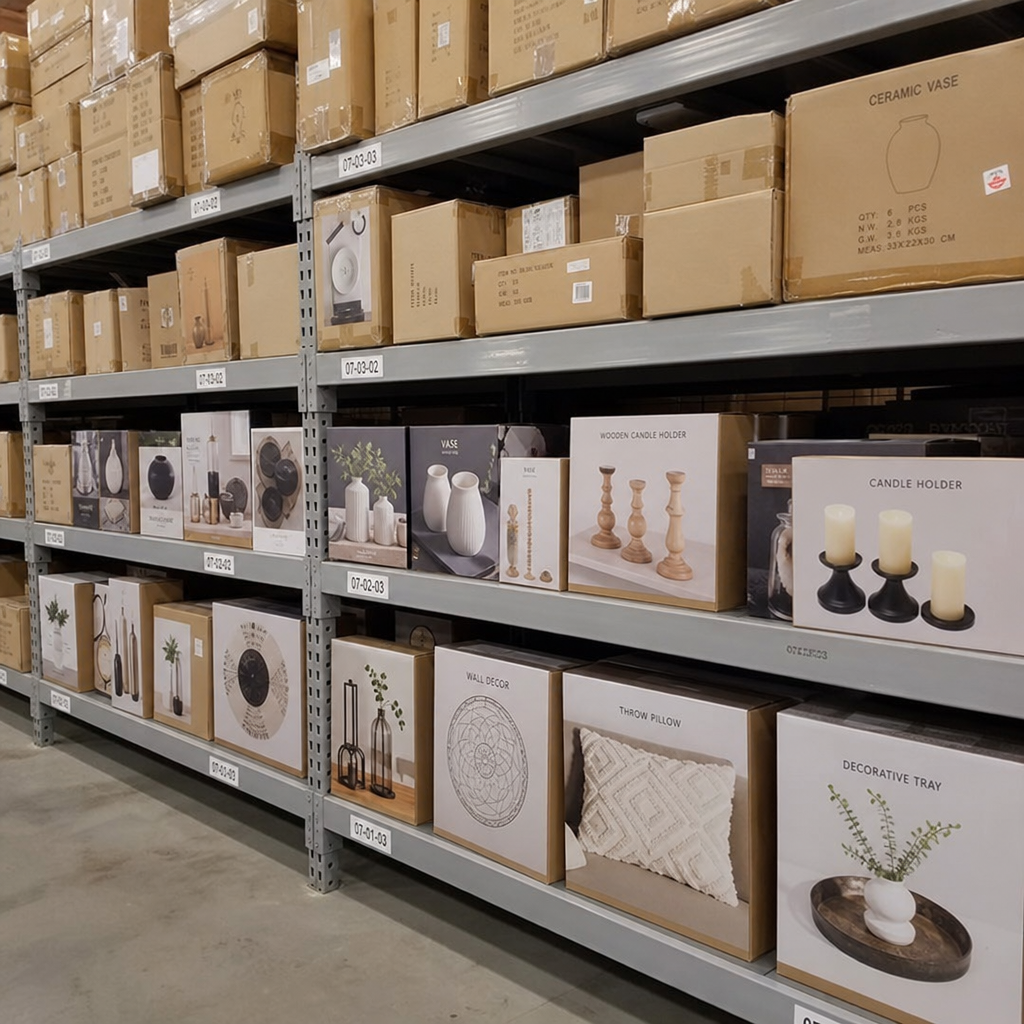
Many buyers look for wholesale home decor suppliers from China because of product variety, manufacturing experience, and the ability to customize designs at scale. China has production clusters for ceramics, glassware, textiles, metal decor, wood items, lighting components, artificial plants, and many other decor categories. This makes it easier to source coordinated collections rather than isolated products.
Product development is another major advantage. If you have a mood board, reference sample, color palette, or packaging concept, many suppliers can help turn that idea into a sellable product. Even simple customizations, such as changing the finish on a candle holder or adding branded packaging to a decorative tray, can make your assortment feel more distinctive.
That said, importing is not automatically simple. Longer lead times, international freight, import documentation, and communication across time zones all require planning. Buyers who succeed usually treat sourcing as a process rather than a quick transaction.
How do Chinese suppliers compare with USA wholesale options?
Chinese suppliers often offer wider manufacturing variety and more customization options, while wholesale home decor suppliers usa may offer faster domestic shipping, easier returns, and simpler restocking. The best choice depends on your business model. Many retailers use both China-based home decor wholesale suppliers and home decor wholesale suppliers usa to balance product differentiation with speed.
If you are launching a new store and want to test demand quickly, local home decor wholesalers may be easier because you can buy smaller quantities and receive stock faster. If you already know your best-selling styles and want to improve margins, customize packaging, or build exclusive collections, China sourcing may be worth exploring.
A balanced approach can work well. You might use wholesale home decor suppliers usa for seasonal gaps, urgent inventory, or small test runs, while using wholesale home decor suppliers from China for core collections, private-label items, or products with stronger customization potential.
A practical sourcing checklist
Before you contact home decor suppliers wholesale, prepare your buying criteria. Suppliers respond better when your request is clear, and you will compare quotes more accurately.
Use this checklist before requesting samples or pricing:
- Product category: Define whether you need wall decor, tabletop accents, ceramics, textiles, lighting, faux botanicals, or mixed categories.
- Style direction: Share references such as modern, rustic, coastal, farmhouse, minimalist, boho, luxury, vintage, or seasonal themes.
- Materials: Specify ceramic, resin, glass, metal, wood, rattan, cotton, linen, paper, stoneware, or mixed materials.
- Order quantity: Ask for minimum order quantity by item, color, size, and carton.
- Customization needs: Clarify logo use, labels, hang tags, packaging, colors, shapes, finishes, and product dimensions.
- Quality expectations: Provide acceptable tolerances for color, size, surface finish, and packaging condition.
- Market destination: Tell the supplier where products will be sold so they can consider labeling, packaging, and compliance needs.
- Shipping preference: Decide whether you need air freight, sea freight, courier delivery, or freight forwarder support.
- Inspection plan: Ask whether pre-shipment inspection is possible and what photos, videos, or reports can be provided.
This preparation also protects your time. Instead of collecting random catalogs, you can focus only on suppliers who match your actual business needs.
Product quality matters more than catalog size
A large catalog can be tempting, especially when you are building a new collection. But for home decor, quality details are what drive customer satisfaction. A vase that looks beautiful online may disappoint if the glaze is uneven, the base wobbles, or the packaging cannot survive transit.
When reviewing samples, look beyond the first impression. Check weight, balance, finish consistency, odor, color accuracy, surface scratches, sharp edges, loose parts, and packaging strength. For items sold as sets, make sure the pieces match each other in tone and proportion.
Photos are useful, but samples are better whenever the order value justifies them. If you cannot review physical samples, request detailed images and videos under natural light, close-ups of finishes, measurements, carton details, and packaging tests where relevant. The goal is not to be difficult; it is to create shared expectations before production begins.
How to evaluate wholesale decor suppliers before ordering
Evaluating wholesale decor suppliers requires more than checking a product photo and asking for the lowest price. Look at communication quality, category experience, production capability, packaging knowledge, sample accuracy, and willingness to document details in writing. A supplier who asks thoughtful questions may be a better long-term partner than one who rushes to quote without understanding your needs.
Start with simple but specific questions. Ask how long they have worked with your product category, what materials they use, whether they can provide custom packaging, how they manage defective products, and what inspection steps are available before shipment. Their answers will show whether they understand retail expectations or only basic production.
You should also compare quotes carefully. A cheaper quote may reflect thinner materials, simpler packaging, lower finish standards, or different dimensions. Always confirm what is included: product cost, packaging, labeling, sample fees, mold costs, artwork setup, carton marks, and any other service charges.
Smart questions to ask a potential supplier
Good questions reveal how a supplier works under real conditions. They also show the supplier that you are organized and serious.
Consider asking:
- Can you confirm the exact material, finish, size, and weight? Small differences matter in home decor, especially for premium-looking items.
- What is the minimum order quantity per design and per color? Some suppliers quote by total order, while others require minimums for every variation.
- Can I see packaging photos and carton specifications? Fragile items need protective packing, not just attractive retail packaging.
- What is the usual production lead time after sample approval? This helps you plan launch dates and seasonal collections.
- Do you support private label or custom packaging? This is important if brand presentation matters to your store.
- How do you handle defects or shortages? Clear policies reduce conflict later.
- Can you coordinate with my freight forwarder? Smooth handoff matters when goods leave the factory or warehouse.
Keep the conversation organized. Save final specifications in a clear document so both sides understand what has been approved.
Pricing is only one part of true landed cost
The unit price is important, but it is not the full cost of importing. Your real cost includes product price, packaging, inland transport, inspection, freight, duties, customs handling, warehousing, breakage allowance, and possible rework if quality problems appear. A low product price can become expensive if the packaging is weak or the shipment is delayed.
This is especially true with bulky home decor. Many decorative items are not heavy, but they take up space. Shipping costs may be based on volume rather than weight, so large baskets, lampshades, wall art, and oversized vases can affect margins quickly.
Ask suppliers for carton dimensions and units per carton early in the quoting process. With that information, you or your freight partner can estimate shipping more realistically before you place a large order.
Building a collection instead of buying random products
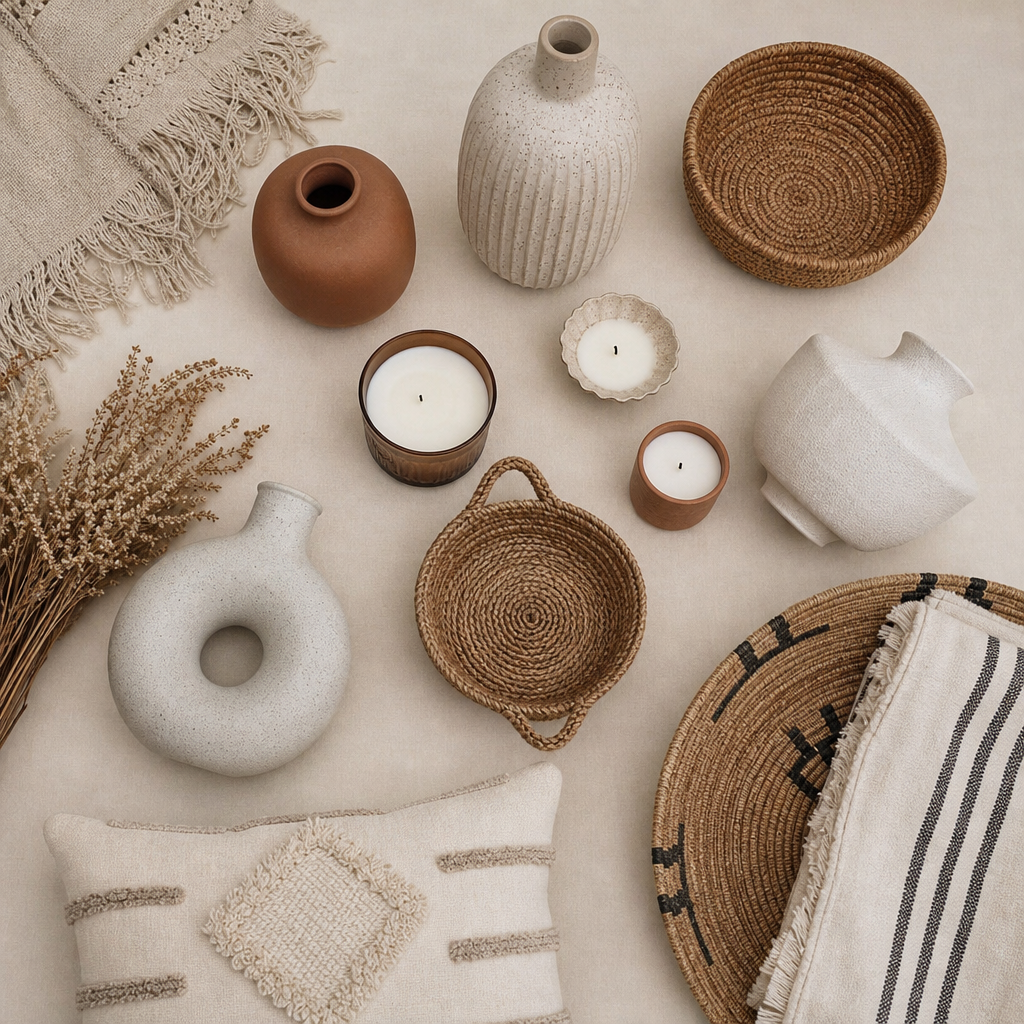
The strongest home decor assortments usually feel intentional. Instead of buying scattered products from different home decor wholesalers, think in terms of collections. A collection might share a color palette, material story, seasonal theme, or lifestyle look.
For example, a neutral living room collection could include ceramic vases, textured cushions, woven baskets, candle holders, and framed wall art. A coastal collection might combine blue glass, rope details, light wood tones, linen textures, and shell-inspired accents. When products relate to one another, customers can imagine how they work together in a real room.
This approach also helps suppliers understand your direction. When you share a collection concept, they may suggest matching products, finishes, or packaging ideas. You still need to review quality carefully, but the sourcing conversation becomes more strategic.
Private label and customization opportunities
One reason buyers search for wholesale home decor suppliers from China is the possibility of creating products that do not look identical to every competitor’s catalog. Customization can be simple or complex. You might start with logo stickers, hang tags, inserts, or branded cartons, then move into custom colors, exclusive finishes, or modified shapes as order volume grows.
Private label can improve brand recognition, but it should be planned carefully. Packaging needs to protect the product as well as look attractive. Labels should be accurate and appropriate for the market where the goods will be sold. If you sell online, consider how packaging affects unboxing, returns, customer photos, and perceived value.
For custom products, written approvals are essential. Confirm artwork files, color references, size specifications, materials, finish details, sample approvals, and packaging layouts before production. A small misunderstanding can create an entire batch that does not match your brand.
Red flags that deserve attention
Most supplier relationships involve normal back-and-forth, but some warning signs should make you slow down. If a supplier avoids clear answers, refuses to provide basic product details, changes pricing without explanation, or pressures you to skip samples on a large order, proceed carefully.
Other red flags include inconsistent photos, vague company information, unrealistic promises, poor packaging knowledge, and unwillingness to document agreed specifications. None of these automatically proves a supplier is unreliable, but they do increase risk.
A professional supplier should be able to discuss materials, production timing, quality control, packaging, and shipment coordination in practical terms. If communication feels confusing before payment, it may become more difficult once production begins.
Working with suppliers after the first order
Your first order is not just a purchase; it is a test of the relationship. Pay attention to how the supplier handles sampling, updates, delays, inspection feedback, and final packing. A supplier who communicates clearly when small issues arise may be more valuable than one who only responds when everything is easy.
After receiving the shipment, document what went well and what needs improvement. Review defect rates, customer feedback, packaging performance, color accuracy, and sales results. Share useful feedback with the supplier before reordering so the next batch can improve.
Over time, strong supplier relationships can lead to better planning, better product suggestions, and smoother replenishment. Treat reliable suppliers as partners, not just vendors.
A simple sourcing workflow for new buyers
If you are new to importing home decor, a step-by-step process keeps the project manageable.
- Define your assortment. Choose your categories, target customer, style direction, and budget range.
- Shortlist suppliers. Compare factories, trading companies, and sourcing agents based on category fit.
- Request detailed quotes. Include specifications, quantities, packaging needs, and destination market.
- Order samples when practical. Review product quality, finish, packaging, and dimensions.
- Confirm written specifications. Put materials, colors, sizes, labels, and packing details in writing.
- Plan inspection. Decide what should be checked before shipment and who will review it.
- Calculate landed cost. Include freight, duties, packaging, and handling, not just unit price.
- Start with a controlled order. Test the relationship before scaling into larger production.
- Review performance. Use sales and quality feedback to refine future orders.
This workflow is not complicated, but it requires discipline. The more clearly you manage each step, the easier it becomes to grow with confidence.
China and USA sourcing can work together
Choosing between Chinese suppliers and domestic suppliers does not have to be an either-or decision. Many businesses use home decor wholesale suppliers usa for convenience and fast-moving needs while building custom or higher-volume programs with Chinese partners. This mixed sourcing model can reduce pressure on any single supply channel.
For example, domestic wholesale options may help you react to trends or fill inventory gaps quickly. China-based suppliers may help you develop exclusive collections, improve packaging, or source a broader range of coordinated products. When used together, both channels can support a more resilient buying strategy.
The right mix depends on your cash flow, storage capacity, product type, selling channel, and risk tolerance. A boutique store, an online marketplace seller, and a hospitality project buyer may all make different sourcing decisions.
Final takeaway
Finding the right home decor suppliers wholesale is less about chasing the lowest price and more about building a dependable process. Start with clear product goals, compare supplier types honestly, review samples carefully, confirm every detail in writing, and calculate the full landed cost before ordering.
Wholesale home decor suppliers from China can be a powerful resource for variety, customization, and collection development. When combined with thoughtful planning and, where useful, support from wholesale home decor suppliers usa, your sourcing strategy can become more flexible, distinctive, and easier to scale.
Frequently Asked Questions About Wholesale Home Decor Suppliers from China
What should I consider when choosing a wholesale home decor supplier from China?
When selecting a supplier, consider factors such as product quality, customization options, minimum order quantities, communication efficiency, and their ability to meet your specific design and packaging requirements.
How do I ensure the quality of products sourced from China?
To ensure quality, request product samples, conduct thorough inspections before shipment, and establish clear quality expectations and tolerances with your supplier. Consider using third-party inspection services to verify product quality.
What are the main differences between factories, trading companies, and sourcing agents?
Factories manufacture products directly and are ideal for custom orders. Trading companies source from multiple factories, providing a wider variety of products with easier communication. Sourcing agents assist buyers in finding and managing suppliers, making them useful for those new to importing.
What are the benefits of using Chinese suppliers compared to local suppliers?
Chinese suppliers often offer a wider range of products, lower manufacturing costs, and more customization options. However, local suppliers may provide faster shipping and easier returns. The best choice depends on your business needs and strategy.
How can I calculate the true landed cost of imported products?
The landed cost includes not only the product price but also packaging, inland transport, inspection fees, freight, duties, customs handling, and any rework costs for defective products. Make sure to gather all relevant information before placing orders to avoid unexpected expenses.