Back To Blog
Private Label Electronics Manufacturers in China Complete Guide
Private label electronics manufacturers in China produce devices that other businesses sell under their own brands, using existing designs, customized platforms, or buyer-provided specifications.
This complete guide explains how to choose a manufacturing arrangement, evaluate suppliers, compare costs, and prepare for production. Start by defining the product and responsibilities—not by choosing the lowest quotation.
How do private label electronics manufacturers in China work?
Private label manufacturing combines a supplier’s production capabilities with your branding and agreed product requirements.
The arrangement may involve adding packaging and logos to an existing device, adapting a supplier-developed design, or manufacturing your design. Because suppliers use terminology differently, confirm exactly who designs, manufactures, approves, and owns each element.
Three sourcing arrangements are worth distinguishing:
|
Arrangement |
Starting point |
What to clarify |
|---|---|---|
|
Standard private label |
An existing product sold under your brand |
Permitted branding changes, specifications, and availability to competitors |
|
ODM adaptation |
A supplier-developed design requiring modifications |
Engineering scope, validation work, and rights to modifications |
|
Build-to-specification/OEM |
Your design or detailed technical requirements |
Manufacturing capability, tooling responsibilities, and change control |
These categories can overlap. A logo change and a circuit redesign should not be treated as equivalent projects, even when a supplier calls both “customization.” Define the actual work before comparing quotations from custom electronics manufacturers.
Define a product worth putting your name on
Before contacting factories, write a product brief that describes the intended customer, use environment, essential functions, and sales market.
For private label gadgets, focus on a clear reason to buy: easier operation, a useful accessory bundle, or packaging designed for a particular audience. Treat these as proposed advantages to validate, not claims to print immediately.
For example, a travel charging accessory brief should specify intended device compatibility, input and output requirements, included cables, dimensions, and packaging contents.
Avoid vague requirements such as “premium quality” or “fast charging” without agreed definitions and test methods.
Include these essentials in your supplier brief:
Function: Required features, compatibility, controls, and measurable acceptance criteria.
Construction: Materials, finish, dimensions, connectors, and approved component requirements.
Branding: Logo placement, artwork, packaging, instructions, and product identifiers.
Commercial scope: Initial quantity, reorder scenarios, destination market, and target delivery window.
Support: Warranty expectations, spare parts, troubleshooting materials, and software maintenance where relevant.
Keep optional upgrades separate from launch requirements. Ask suppliers to quote them individually so you can judge whether each improvement justifies its cost and validation work.
How can you evaluate China electronics suppliers?
Evaluate China electronics suppliers by checking their legal identity, actual production role, relevant technical capability, and willingness to document responsibilities. Request evidence rather than relying on a catalog description.
Due diligence, early IP planning, and well-drafted contracts are recommended safeguards when manufacturing or collaborating in China.
Confirm who will manufacture your order
Ask for the supplier’s registered legal name, business license, factory address, and explanation of any subcontracted work. Establish whether the business manufactures, coordinates outside factories, or combines both roles. Request a live walkthrough or independent assessment focused on the processes needed for your product.
Ask who handles incoming materials, assembly, programming, functional testing, and final packing. If another company performs a critical operation, request its role and the proposed oversight arrangements. Reconcile the contracting entity, payment beneficiary, and production locati0n before paying.
Test technical communication before committing
Send the same brief to each shortlisted supplier and ask for a written response identifying unclear requirements. Request explanations of proposed components, test methods, engineering changes, and production limitations.
Prefer a supplier that flags a difficult requirement over one that accepts everything without explanation.
Ask how component substitutions will be approved and how product revisions will be recorded. For connected devices, request a software-support plan covering updates, account ownership, and service dependencies.
Resolve unanswered questions before treating a quotation as production-ready.
Compare quotations using total landed cost
When comparing wholesale electronics from China, request a consistent quotation format. Separate unit price from samples, engineering, tooling, packaging, testing, inspection, and freight. Ask each supplier to identify exclusions rather than assuming that an attractive headline price includes everything.
Build your purchasing worksheet around these cost categories:
Product: Units, accessories, retail packaging, instructions, and spare parts.
Development: Samples, tooling, engineering work, and agreed revisions.
Verification: Laboratory work, inspections, and any corrective testing.
Delivery: Freight, insurance, handling, customs brokerage, and destination charges.
After-sales provision: Your allowance for troubleshooting, replacements, and returns.
For U.S. imports, confirm tariff classification, customs value, origin, and applicable duties with a qualified customs professional. CBP emphasizes that import requirements depend on classification and other product-specific criteria; avoid applying one assumed duty rate to every electronic device.
Request minimum order quantities by model, color, and packaging version. Also ask whether tooling belongs to you, whether it can be transferred, and what happens if a component becomes unavailable. Compare offers only after these assumptions are aligned.
Which compliance checks matter before importing electronics?
Compliance checks depend on the exact device, intended users, destination market, and transport configuration. For U.S. sales, assess applicable FCC equipment authorization requirements, CPSC rules, and battery transport requirements rather than accepting a generic “certified” statement. Confirm the scope with qualified specialists before approving production.
For radiofrequency devices, determine whether certification or Supplier’s Declaration of Conformity applies. The FCC describes these as distinct authorization procedures, and the responsible party for SDoC must be located in the United States. Ask your testing partner to confirm the appropriate route for the finished product.
Where CPSC-enforced rules apply to a general-use product, manufacturers or importers must issue the required conformity certificate based on appropriate testing.
Children’s products follow different testing requirements, including applicable testing by CPSC-accepted laboratories. Do not assume every electronic product needs the same certificate.
For lithium-battery products, request the relevant UN 38.3 test summary and have your logistics provider check the shipping configuration, packaging, and documentation. PHMSA provides separate guidance for different battery types and configurations. Match the paperwork to the battery actually proposed for your order.
Turn samples into a production control plan
Use samples to establish what you will accept, not simply to approve appearance. Create a checklist covering the functions, markings, accessories, packaging, and performance criteria in your brief. Record results, photographs, hardware revisions, and firmware versions so later comparisons have a clear reference.
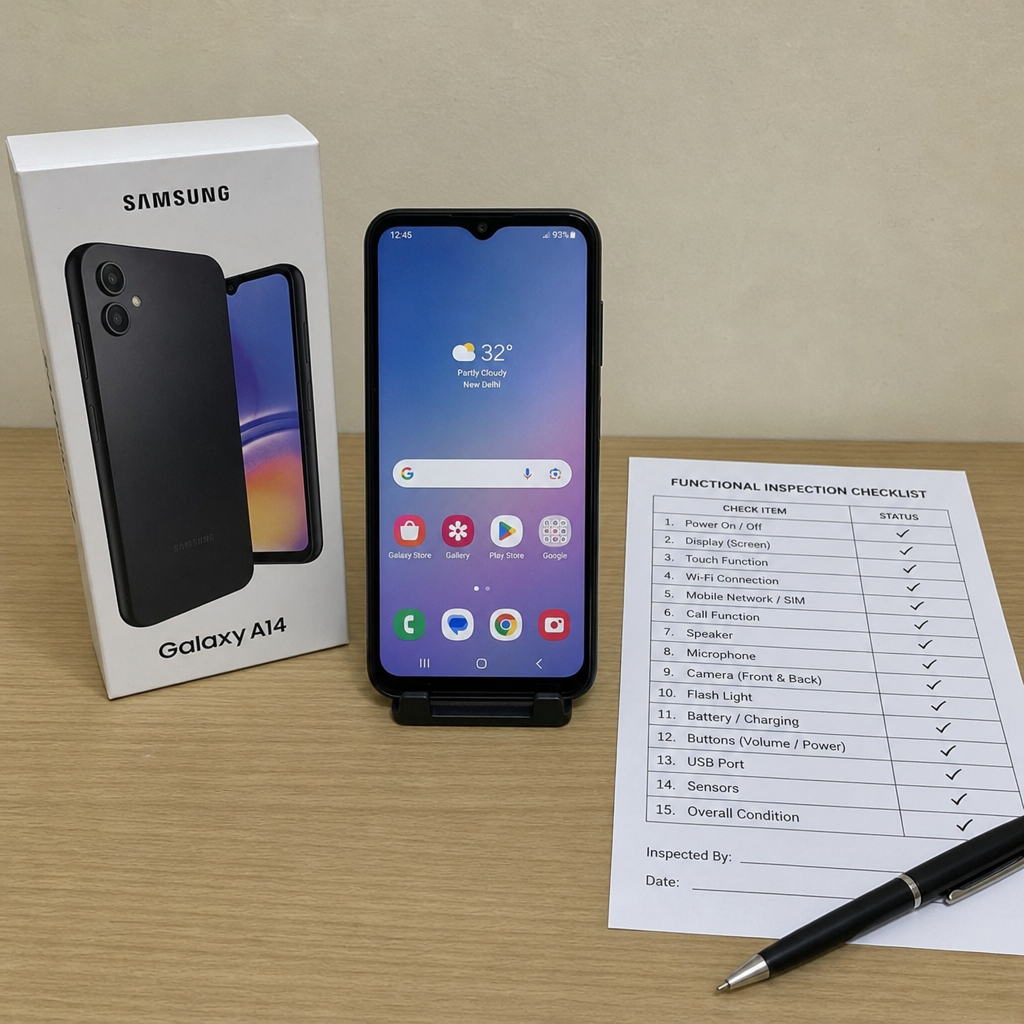
Use staged approvals rather than one final yes-or-no decision:
Evaluate the initial sample: Identify functional gaps, cosmetic issues, and unclear instructions.
Approve the production reference: Confirm the agreed configuration, artwork, accessories, and acceptance criteria.
Review a pilot build: Request a limited run to assess repeatability before authorizing the full order.
Inspect before shipment: Arrange checks against the approved specification and document any corrective actions.
Specify how units will be selected for inspection, what defects trigger rejection, and who pays for rework or repeat inspection. Ask for batch identification and a process for tracing affected units.
Keep production inspection separate from any required regulatory testing.
Protect ownership and plan support before launch
Put ownership and permitted use of designs, tooling, artwork, firmware, and development work into written agreements reviewed by counsel familiar with China manufacturing.
Official IP guidance stresses tailored contracts, confidentiality protections, and clear allocation of rights. Do not assume that paying a development fee automatically settles ownership or exclusivity.
For your private label products, negotiate defect remedies, warranty procedures, replacement arrangements, and access to necessary support materials.
For app-connected devices, ask what happens if the supplier stops maintaining the application or cloud service. Tie payment milestones to documented deliverables where commercially feasible, rather than relying on informal assurances.
Build a repeatable sourcing process
Treat electronics manufacturing in China as a sequence of controlled decisions: define the product, verify the supplier, validate samples, confirm compliance, and approve production against written criteria. Keep specifications and revision records ready for reorders. The practical next step is a clear sourcing brief—not a bulk purchase based on a catalog photo.
Frequently Asked Questions About Private Label Eectronics Manufacturers in China
What is the difference between private label and OEM manufacturing?
Private label manufacturing allows businesses to sell existing products under their brand, while OEM (Original Equipment Manufacturer) involves creating products based on the buyer's specifications and designs.
How do I choose the right manufacturer for private label electronics?
Evaluate manufacturers based on their production capabilities, legal identity, experience in the electronics industry, and ability to meet your specific requirements. Request samples and detailed quotations to compare.
What compliance checks are necessary before importing electronics from China?
Compliance checks include ensuring that products meet FCC regulations, CPSC safety standards, and necessary certifications based on the product type and intended market.
How can I protect my intellectual property when working with Chinese manufacturers?
Draft clear written agreements that outline ownership rights, usage permissions for designs, and confidentiality provisions. Consult with legal professionals who specialize in international manufacturing agreements.
What should I include in my product brief when contacting suppliers?
Your product brief should include details about the intended customer, essential functions, construction specifications, branding requirements, commercial scope, and support expectations.